
EXPERIENTIAL LEARNING
ABOUT US
Experiential Learning at PFW
At Purdue University Fort Wayne, education isn’t restricted to textbooks or lecture halls. We believe that deep, transformative learning happens at the intersection of theory and real-world application.
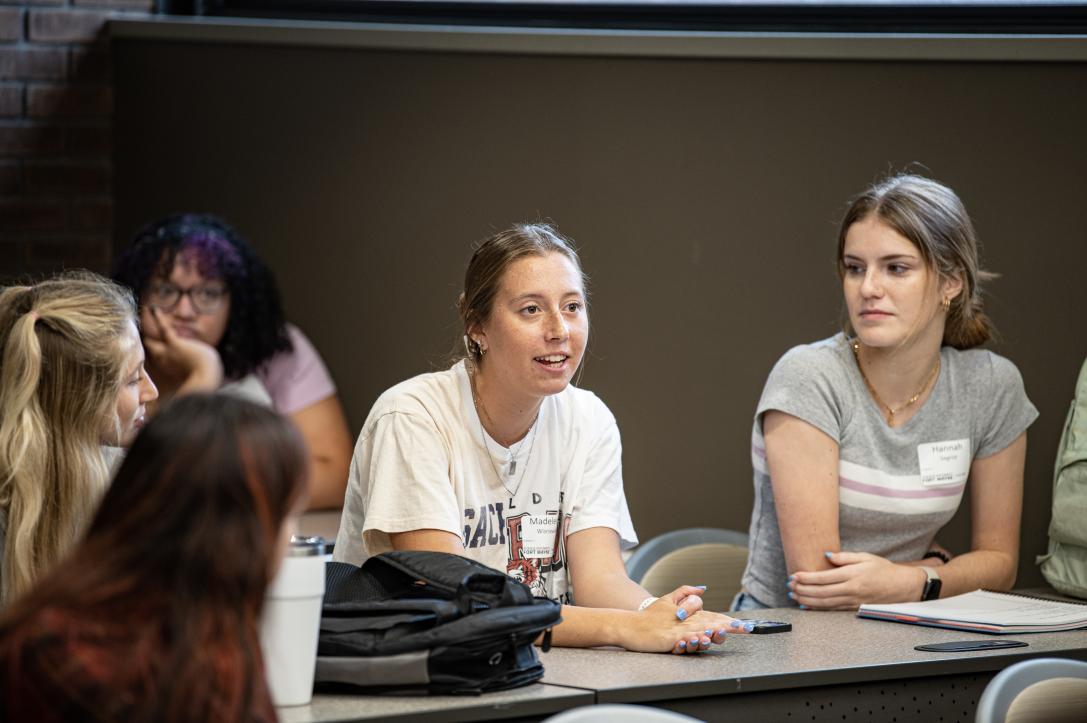
Experiential Learning at PFW is an intentional, university-wide initiative designed to ensure every Mastodon has the opportunity to bridge the gap between academic study and professional practice. By embedding hands-on experiences into our curriculum and co-curricular life, we prepare our graduates to step confidently into their careers as adaptive problem-solvers and community leaders.

BEYOND THE CLASSROOM
What Makes it "Experiential Learning"
Following the foundational pillars established across the Purdue system, authentic experiential learning is much more than a serendipitous hands-on activity. It is a deliberate, structured framework built upon three critical components:
Planned Pedagogy: Every experience has clear, intentional learning outcomes established by faculty mentors or advisors before the project begins.
Authentic Context: You will develop and apply knowledge, skills, and abilities in the exact same ways they are used in careers and communities—working with actual clients, patients, data, and environments.
Critical Reflection: You will be guided to think critically about your actions, analyzing how your hands-on work connects back to classroom concepts and shapes your future career path.
THE PFW ADVANTAGE
Why it Matters Here
While the core philosophy aligns with Purdue University, the execution at Purdue Fort Wayne offers a distinct regional advantage:
Deep Community Integration: Located in Indiana’s second-largest city, PFW is uniquely positioned to connect students directly with Northeast Indiana's booming healthcare, engineering, business, and arts sectors.
Accessible to All: We are dedicated to democratizing experiential education. Our goal is to ensure that every student—regardless of major, socio-economic background, or work schedule—can access high-impact learning.
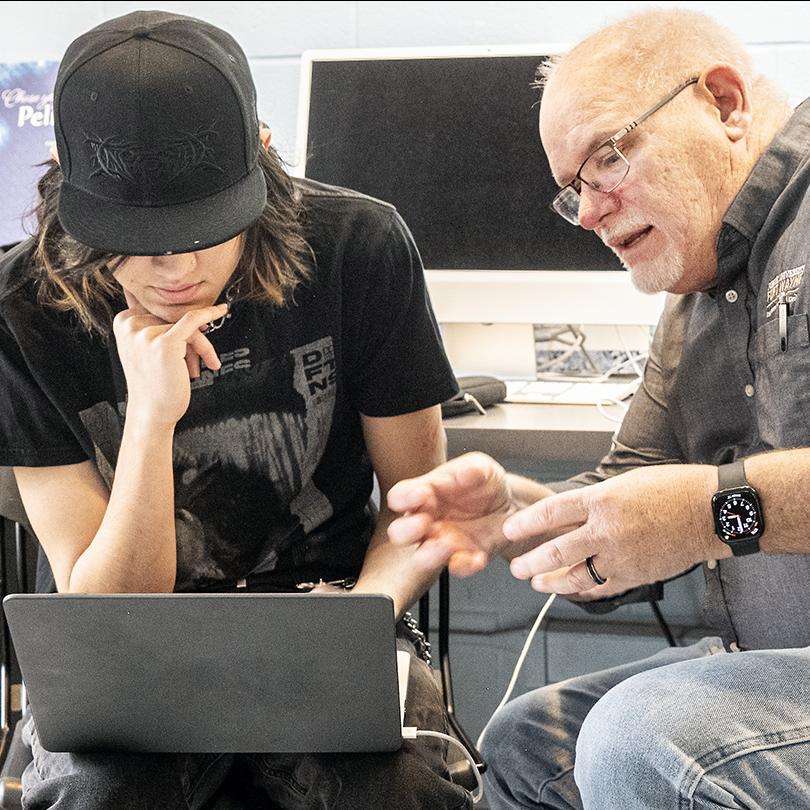
Direct Access to Faculty: Because of our intentional campus size, undergraduates work directly with faculty chairs and professors on research and projects, rather than being sidelined by massive graduate cohorts.
PATHWAYS TO SUCCESS
Types of Experiential Learning at PFW
To accommodate the diverse academic paths of our students, PFW recognizes distinct pathways of experiential education. Below are some of the recognized experiential learning pathways at PFW.
A structured learning experience that connects classroom learning with supervised, hands-on work in a professional setting.
A formal employment program that trains students to do a specific job.
A structured experiential learning opportunity in which students collaborate with faculty on scholarly or creative research.
A culminating academic project in which a student conducts independent research or scholarly inquiry under faculty supervision.
Students apply academic learning through service that benefits both the student and the community.
Students study at or collaborate with other higher education institutions locally or regionally.
An experience that combines classroom learning with real work experience in a student’s field of study.
A structured, supervised experiential learning opportunity that allows students to apply academic knowledge in a real-world or professional setting, with guided reflection and assessment integrated into the academic curriculum.
An opportunity for students to explore important questions through hands-on research and inquiry.
A competitive program that provides funding to support a student’s study, research, or professional training.
Students engage in supervised activities outside the classroom to apply academic content in a relevant field setting.
A structured academic experience in which students study in another country through a host institution, allowing for cultural immersion and credit toward their degree.
A structured learning experience that connects classroom learning with supervised, hands-on work in a professional setting.
An experience that combines classroom learning with real work experience in a student’s field of study.
A formal employment program that trains students to do a specific job.
A structured, supervised experiential learning opportunity that allows students to apply academic knowledge in a real-world or professional setting, with guided reflection and assessment integrated into the academic curriculum.
A structured experiential learning opportunity in which students collaborate with faculty on scholarly or creative research.
An opportunity for students to explore important questions through hands-on research and inquiry.
A culminating academic project in which a student conducts independent research or scholarly inquiry under faculty supervision.
A competitive program that provides funding to support a student’s study, research, or professional training.
Students apply academic learning through service that benefits both the student and the community.
Students engage in supervised activities outside the classroom to apply academic content in a relevant field setting.
Students study at or collaborate with other higher education institutions locally or regionally.
A structured academic experience in which students study in another country through a host institution, allowing for cultural immersion and credit toward their degree.