TRIO program's support includes connections with off-campus partners
By Blake Sebring
December 16, 2025
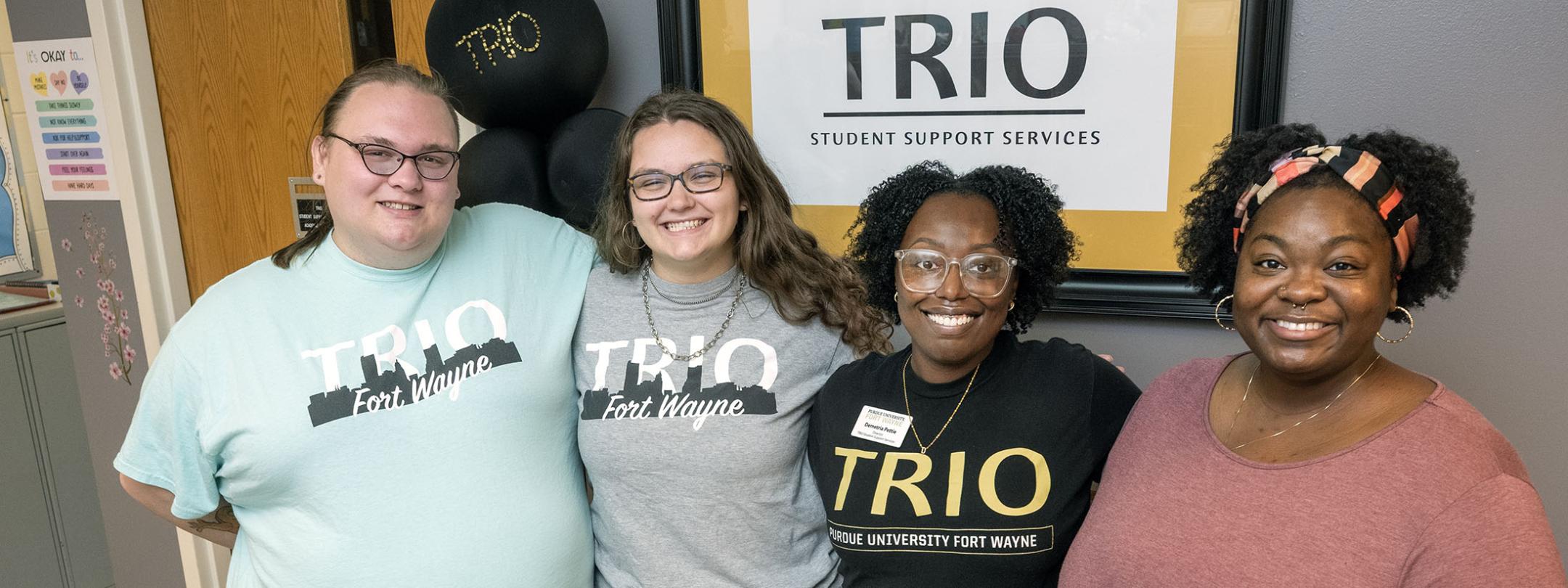
The TRIO Student Support Services program at Purdue University Fort Wayne specializes in providing guidance to first-generation students, leading them through the college process, but also sometimes referring them to Fort Wayne agencies that offer a helping hand.
Recently renewed through another five-year government grant, TRIO started as part of a program initiated by President Lyndon Johnson in 1965 to address poverty. It helps students, as many as 140 per year, find the support they need through mentoring, workshops, counseling, tutoring, social functions, and employment opportunities.
One collaboration the PFW office offers is “Persistence Pays Off,” which includes United Way of Allen County and Lutheran Social Services. The voluntary program works with college students at PFW and Ivy Tech to encourage them to address issues, continue their studies, and eliminate barriers to completing their degrees.
“Basically, if there is a need that we recognize where our services have to stop and community services have to kick in, that’s when we refer students to this program,” said Demetria Pettie, TRIO Student Support Services director. “Among other things, they help them with financial literacy, teach them how to make and achieve goals, and budget, how to live on your own, and things of that nature.”
Since starting with “Persistence Pays Off” in 2021, 158 PFW students have taken advantage of the program through a TRIO recommendation. PFW testimonials dominate the website. Amelia Yoder, a junior majoring in biochemistry, has been involved with the program for a year, meeting with LaSar’a Johnson, a case manager with Lutheran Social Services.
“At first, I was really nervous about it, and we did all our meetings virtually because I didn’t have time to meet in person,” Yoder said. “But as we went on, I looked forward to it so much every week, and I shared so much more each time. I definitely think it changed how I look at things for the better. After the first few times, I got so comfortable with her, and I was telling her about everything in my life.”
Now loving the program, Yoder said she needed guidance on learning to take time to care for herself. She said the work with Johnson is low-pressure and effective.
Willow Cribb, a senior majoring in art and design and president of PFW’s Student Government Association, said she’s working with Johnson on various items, including how to understand investing for her future.
“She helps a lot with different skills you may need for life,” Cribb said. “She helped me with budgeting, interpersonal relationships, holding yourself and others accountable, and things like that. I like the knowledge that we get because it is very helpful. I would point out the wide breadth of resources they can help you with, not only the life lessons, but they can help you out with things you may need to get by.”
Johnson said the best part of her job is seeing students succeed against the odds, noting that only about 5% have dropped out after entering the program.
“That means the vast majority have gone on to earn certificates or degrees, and that’s incredibly powerful,” Johnson said. “Watching students overcome personal, financial, and academic barriers to walk across that graduation stage is the greatest joy and fulfillment I could ask for. It’s not just helping them stay in school, it’s about helping them believe in themselves and build a future they are proud of.”
Johnson said 75% of participants choose to stay involved with the program for at least five months. The program creates a holistic support system that empowers students.
“These students are motivated and want to succeed; they just might need a little guidance and help to keep them on track,” said Ruthie Hall, director of community impact for United Way of Allen County. “We consistently have seen 95% or higher persistent rates, which is unheard of for colleges.”
Both Yoder and Cribb say they encourage friends to participate in “Persistence Pays Off.”
“After they’ve done the program once, they often want to do it again,” Pettie said. “Most of the time, that’s because they now have longer-term goals they are looking at, such as how to achieve going to graduate school.”
Related Articles
Administration, Business and Innovation
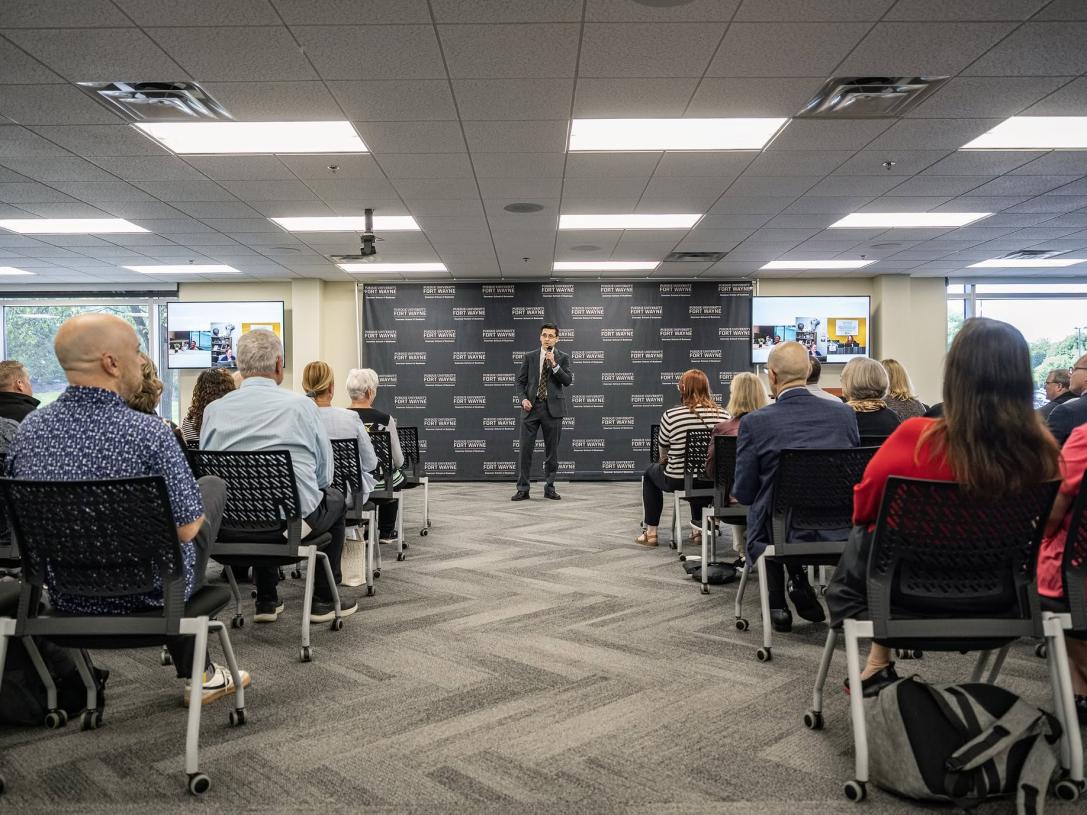
Purdue Fort Wayne opens newly renovated Doermer School of Business Building

Administration
Purdue Fort Wayne brings community together for inaugural DonFest
Administration
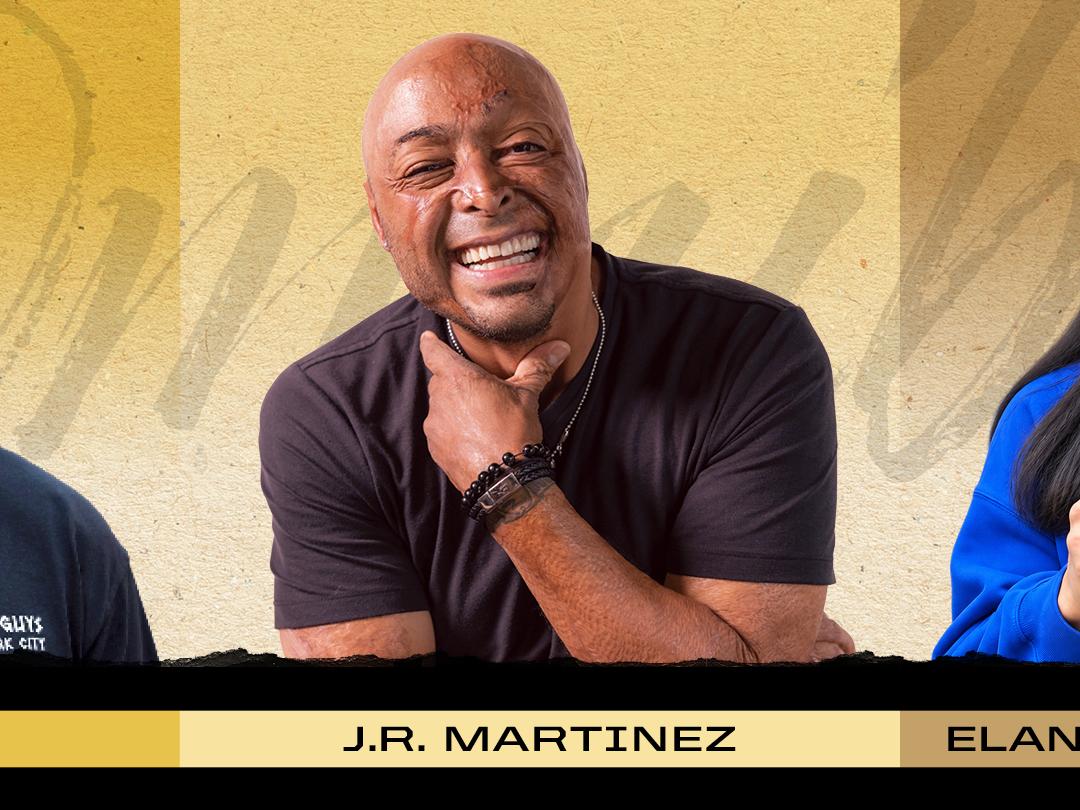
Omnibus Speaker Series announces Josh Peck, J.R. Martinez, and Elana Meyers Taylor for 2026–27 lineup
Administration
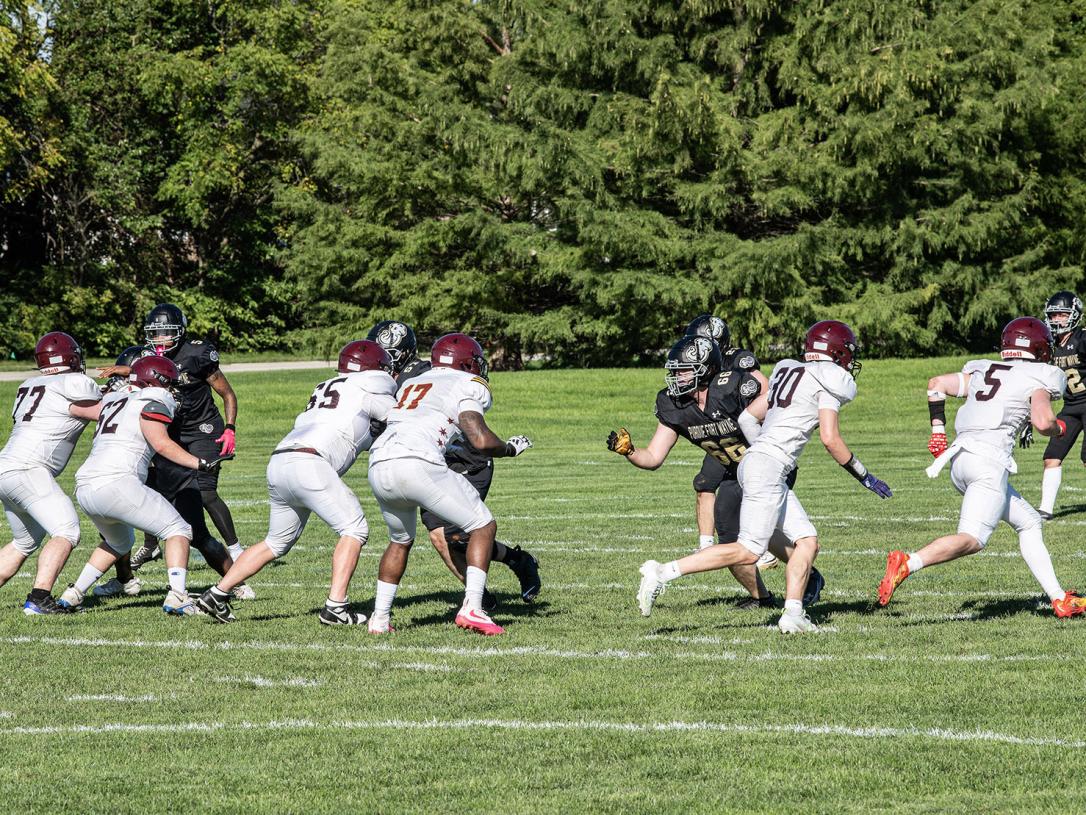
Purdue Fort Wayne celebrates opening of W. Paul Wolf Field