Inside the Fort Wayne Zoo: PFW Students Gain Hands-On Experience
By Todd Eviston
July 2, 2026
Few institutions are as closely associated with Fort Wayne as its beloved Zoo. Drawing more than 600,000 visitors each year, it serves as a center for family entertainment, public education, conservation, and community connection. Since 1965, the ever-improving facility has provided fond memories for generations of visitors, including many from the PFW community.
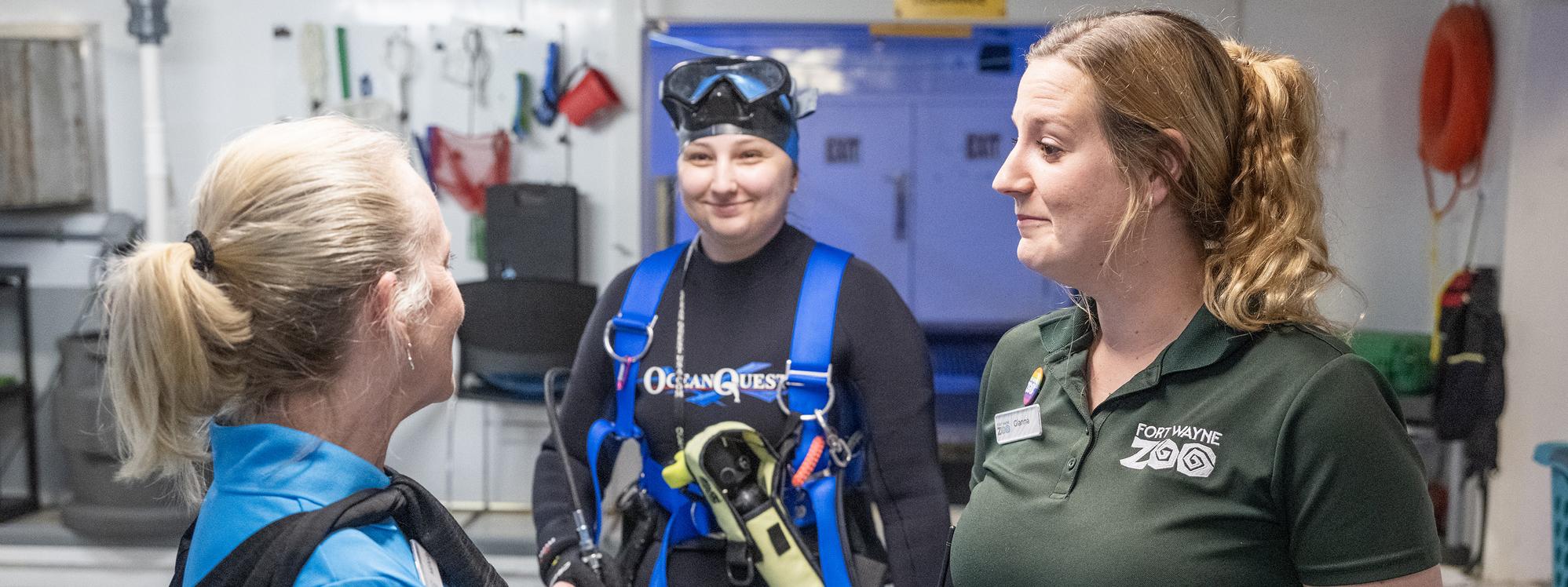
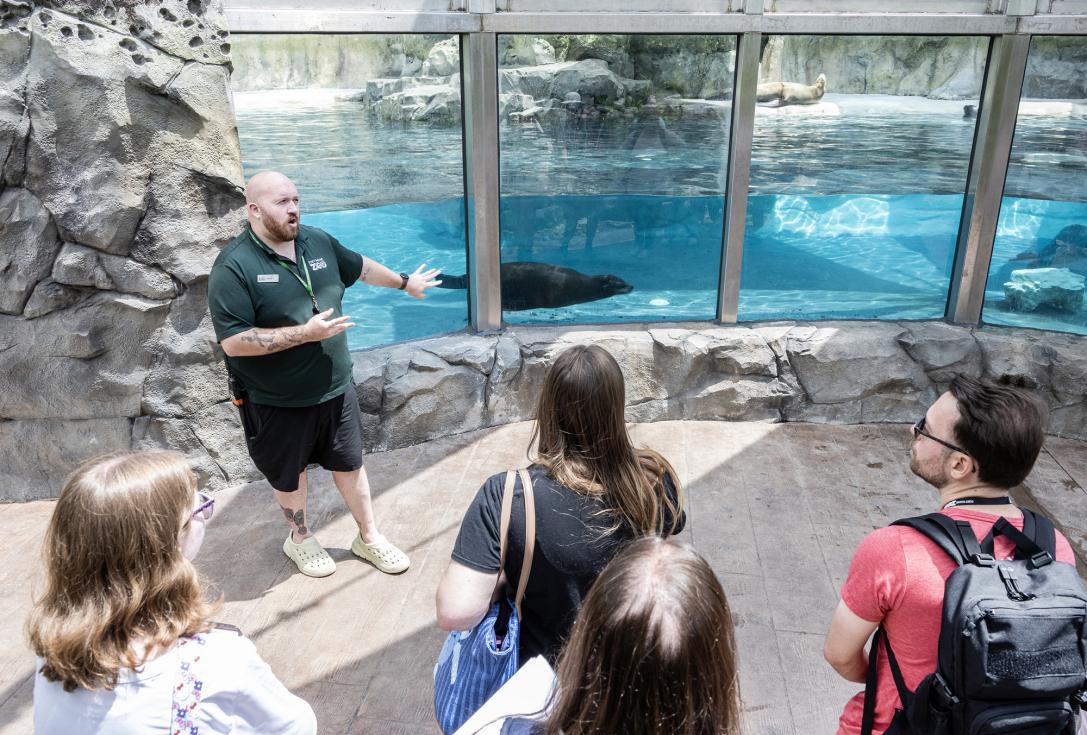
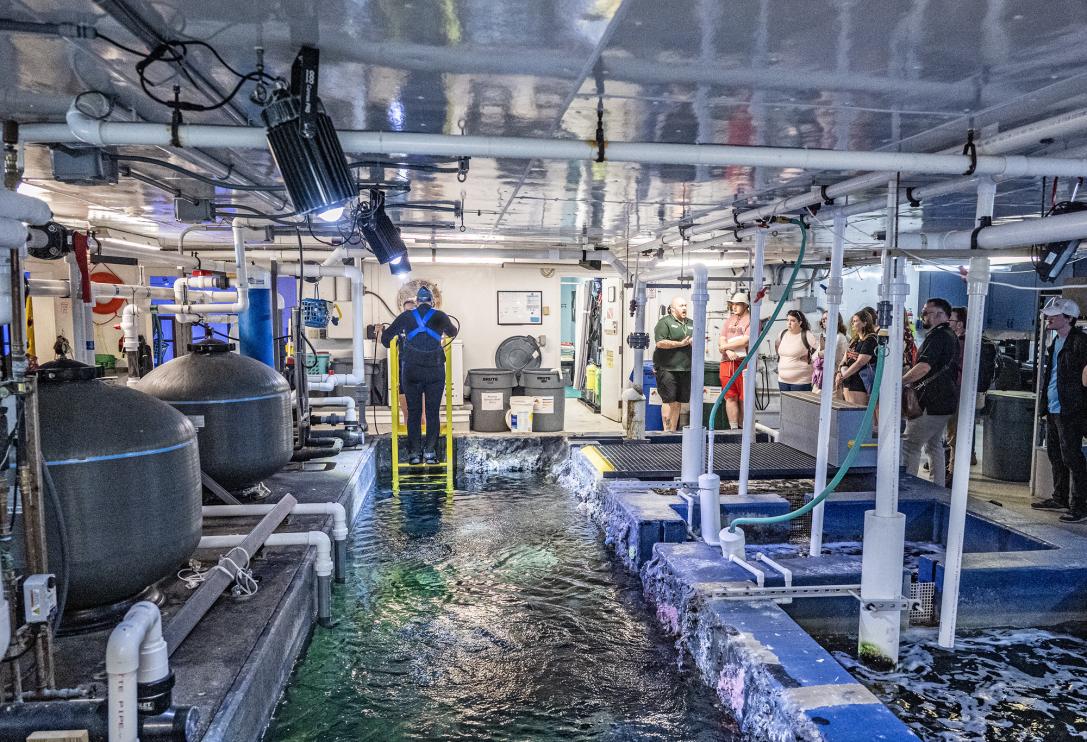
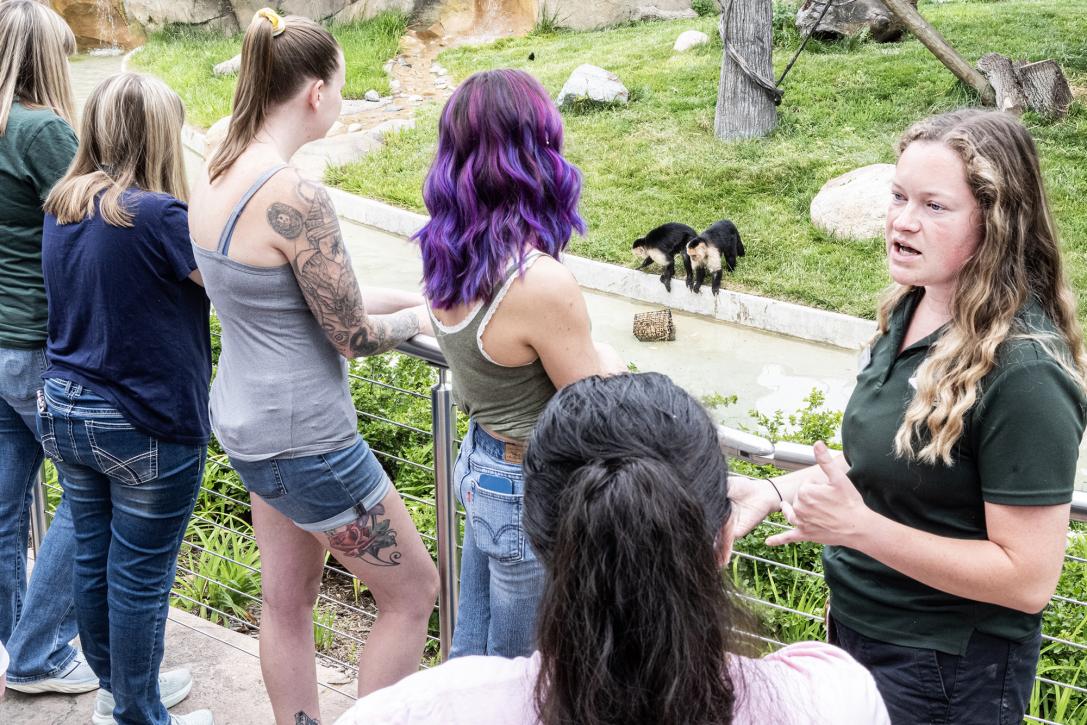
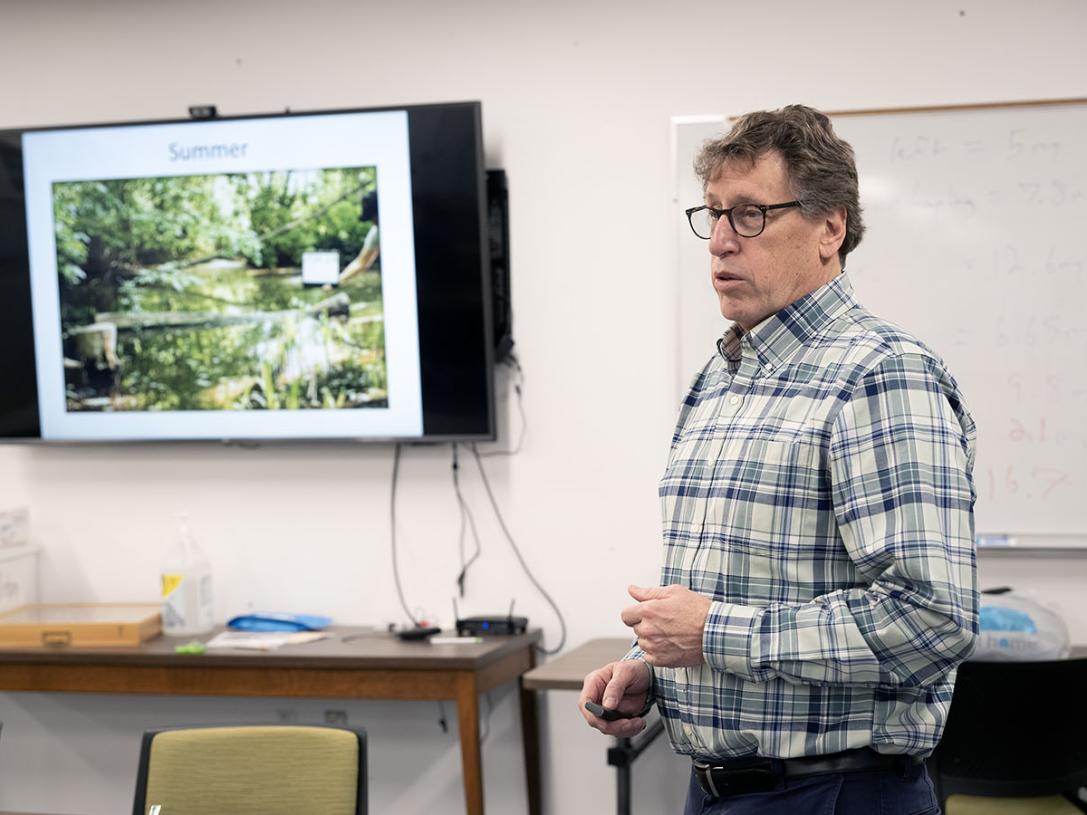
This summer, PFW students under the leadership of Dr. Scott Bergeson, associate professor of biology, had the opportunity to go behind the scenes of the Fort Wayne Zoo during a six-week summer course. The hands-on coursework and immersive projects gave the students valuable perspective into the animal care and day to day operations of the nonprofit organization that cares for approximately 1,500 animals.
Speaking on the hands-on approach to his class, Bergeson said “Active learning is one of the best ways to learn, so it’s more than just lecturing, and the people working here are a delight. They’re really passionate about what they do, and that’s great for any learning situation.”
Justin Torres, a biology major, loved being up close with the animals he was studying. “A lot of the time when you're in school and you're learning about biology, there's not a whole lot of opportunities to really be around animals and get that experience with them. So this is unique in the sense that I've never seen a lot of these animals up close, and all the intricacies that go with managing that is really cool.”
Zoo staff, under the leadership of Michelle Smurl, VP of animal care and conservation, collaborated with Dr. Bergeson to create a valuable, hands-on learning experience for students majoring in biology, psychology, human services, and more.
True to the course’s name, students were fully immersed into the day-to-day activities, behaviors, and decisions that go into daily operation of a zoo. This includes animal care, finance, guest relations, and conservation efforts by the Zoo.
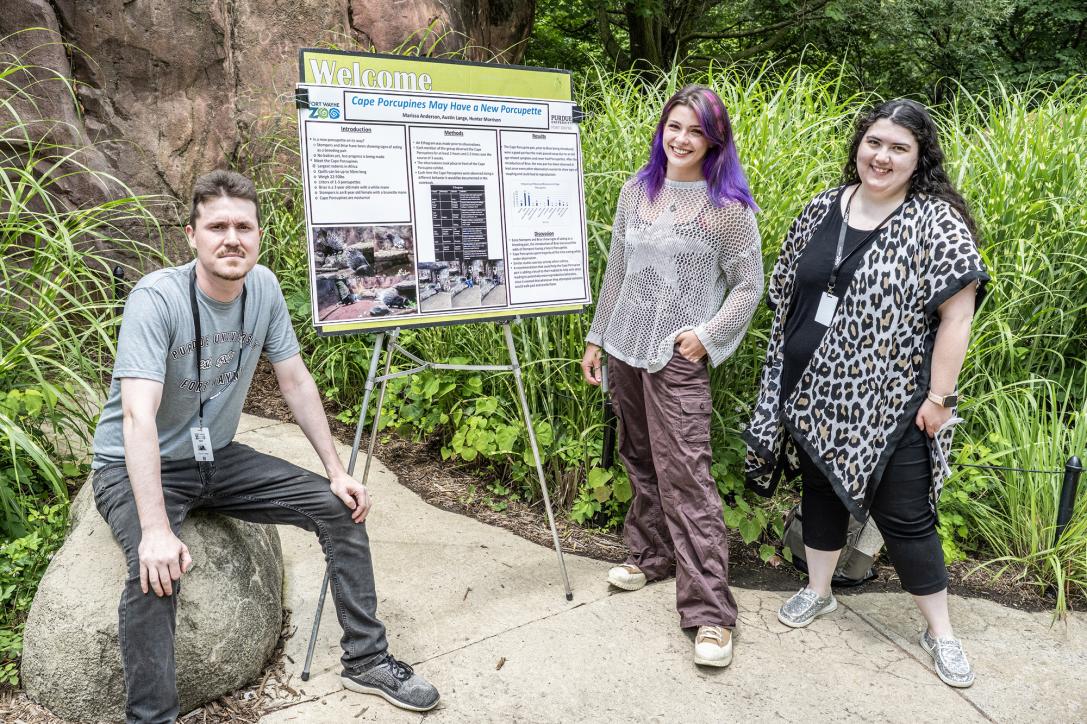
Hunter Morrison, a biology major, shared her newfound interest in caring for exotic animals in addition to domestic animals which she has worked with in the past. “I have a background in small animal vet medicine, so I’ve worked a lot with dogs and cats, but it's been really cool to learn about how to care for lizards and fish and birds and all the different types of animals. It’s opened my eyes to also doing some exotic work too.”
Class lectures highlighted many of the Zoo's most recognizable animals, including the capuchin monkeys on Monkey Island and the harbor seals and sea lions in Coastal Cove. Students also learned about lesser-known species, such as the Eastern hellbender, an endangered giant salamander the Zoo is helping repopulate in southern Indiana.
“We work hard every day to make science-based decisions, and it’s so complex that we want to share our world with people and help generate the next animal leaders in this field,” said Smurl.
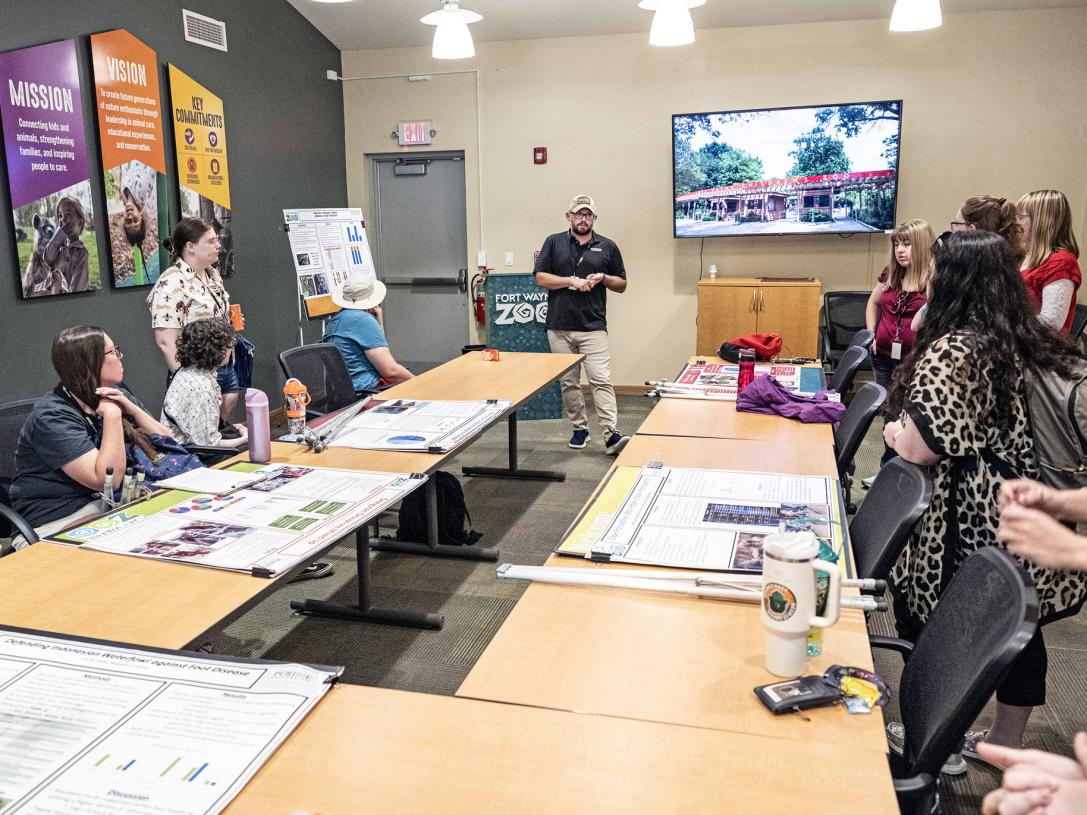
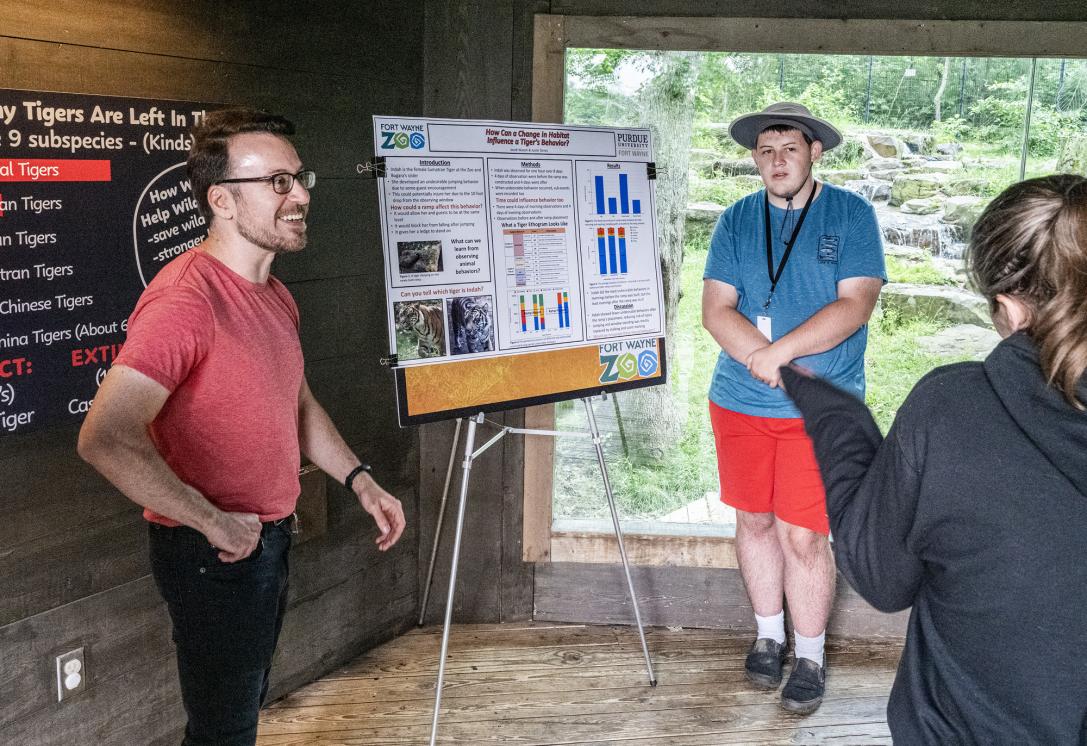
During the final week, students presented their projects not only to course instructors but also to visitors throughout the Zoo, showcasing what they had learned through six weeks of immersive, hands-on experience. The presentations reflected the course's broader goal: connecting classroom learning with real-world conservation and preparing the next generation of professionals in animal care and environmental science.

Related Articles
Education, Engineering and Technology, Science
Girl Scouts STEM Expo sparks curiosity, confidence, and career dreams at PFW
Science
From volunteer to researcher: PFW graduate student helps restore rare Franklin’s ground squirrels
Arts and Humanities, Education, Science
CELT Teaching Award winners announced
Science
Outside opportunity leads to massive College of Science project