
Emergency plans
building deputy program
What is a building emergency plan?
The building emergency plan provides building-specific emergency procedures for occupants and guests. The information listed in each document will include, at minimum: disaster and crisis planning, contact information for building deputies, maps of emergency exits, and evacuation gathering locations.
All students, faculty, staff, and guests should become familiar with their building’s plan in the event an emergency occurs. The goal of these plans is to prepare everyone for what may happen while they are in the building and provide information on how to react to that situation.
If you need help completing the plan template, reach out to University Police.
Plan Responsibilities and Requirements
Educate yourself.
- Appoint the building deputy or designated representative to develop, coordinate, and distribute the Building Emergency Plan to building residents.
- Review the plan prior to submission to the University Police and emergency preparedness offices.
- Departments are responsible to ensure all people in their building are aware of exit routes and location of their building Emergency Assembly Area (EAA).
- Prepare, coordinate, and distribute the building emergency plan to building occupants
- Ensure that the building emergency plan is readily available and used during emergency incidents
- Review the building emergency plan annually to ensure that information and procedures are current
- List all critical operations in the building emergency plan for first-responder reference and use
- Assist in the development of internal emergency notification procedures ensuring that building occupants are notified of the emergency
- Assist in building evacuation
- Perform monthly fire-extinguisher inspections in their building
- Report to emergency assembly area
- Provide any incident information to the nearest public safety official as soon as possible
- Collect and provide essential information to emergency-response personnel (e.g., location of incident, persons in building, special hazards)
- Develop additional building specific information that makes the building emergency plan more effective (e.g., specific procedures for any assigned individual that requests additional assistance, evacuation maps, emergency assembly area)
- Include in the building emergency plan any additional information as directed by the department head or the individual responsible for the building
- Purdue policy requires immediate evacuation when any fire alarm sounds within a building. All students, faulty, staff, and any other individuals within the building must promptly evacuate the building using the nearest designated exit routes.
- Personnel may briefly delay evacuating if they need time to shut down electrical and other equipment, especially any that involves flame, explosive vapors, or hazardous materials.
- All building occupants will follow instructions relevant to public safety issued by the building deputy, or fire and police personnel.
- Know the evacuation routes and locations.
- After exiting the building, occupants are to go directly to their designated emergency assemble area and follow guidance provided by the building deputy (or designated safety representative) and emergency responders.
- No one may reenter the building until authorized to do so by fire or police department officials.
- All building occupants must be familiar with the building emergency plan. Read it carefully. If you have any questions, consult your building deputy, department safety coordinator, or safety committee representative.
Be familiar with the following information:
- The Purdue Fort Wayne emergency warning notification system—Purdue FW Alert, Rave Guardian, Rave Panic Button, and the emergency handbook
- When and how to evacuate the building
- Your evacuation routes, exit points, and location to report for roll call after evacuating the building
- When and where to shelter in place within the building
- Locations of emergency materials that may be needed in an emergency, such as emergency telephones and fire pull alarms
- Proper procedures for notifying emergency responders about an emergency in the building or work area (dial 911 for emergency notification), or download the Rave Panic Button
- Additional building specific procedures and requirements
Training is an integral part of the safety and preparedness program for your building. It is the responsibility of each unit head and supervisor to ensure that all building occupants are trained or made aware of the building emergency plan for the buildings they occupy.
Building deputies (or building emergency-plan developers) are highly encouraged to annually exercise the building emergency plan, with the assistance of University Police or the emergency preparedness staff if needed, to validate procedures and to ensure building occupants’ understanding. The exercise should be based on a simulated emergency event that highlights building shelter in place or evacuation procedures.
Any lessons learned that require changes to the building emergency plan should be incorporated into the plan and a copy forwarded to University Police at [email protected].
Participation in Drills for Severe Weather and Tornadoes
Building deputies and other building leaders are encouraged to practice and test their building emergency plans by organizing a shelter-in-place drill. Such a drill is designed to ensure that building occupants know what to do in an emergency; ensure that there is adequate space in shelter-in-place locations; and test the functionality of weather radios, computers and other communication devices.
The building emergency plan must be reviewed annually to ensure that information and procedures are current. University Police will also review the building emergency plan and maintain a copy for use by the emergency operations center.
If there are no significant changes that warrant a building emergency plan revision, contact Rick Wiegmann, Interim Chief of Police, at [email protected], indicating that the building emergency plan has been reviewed and no changes are needed.
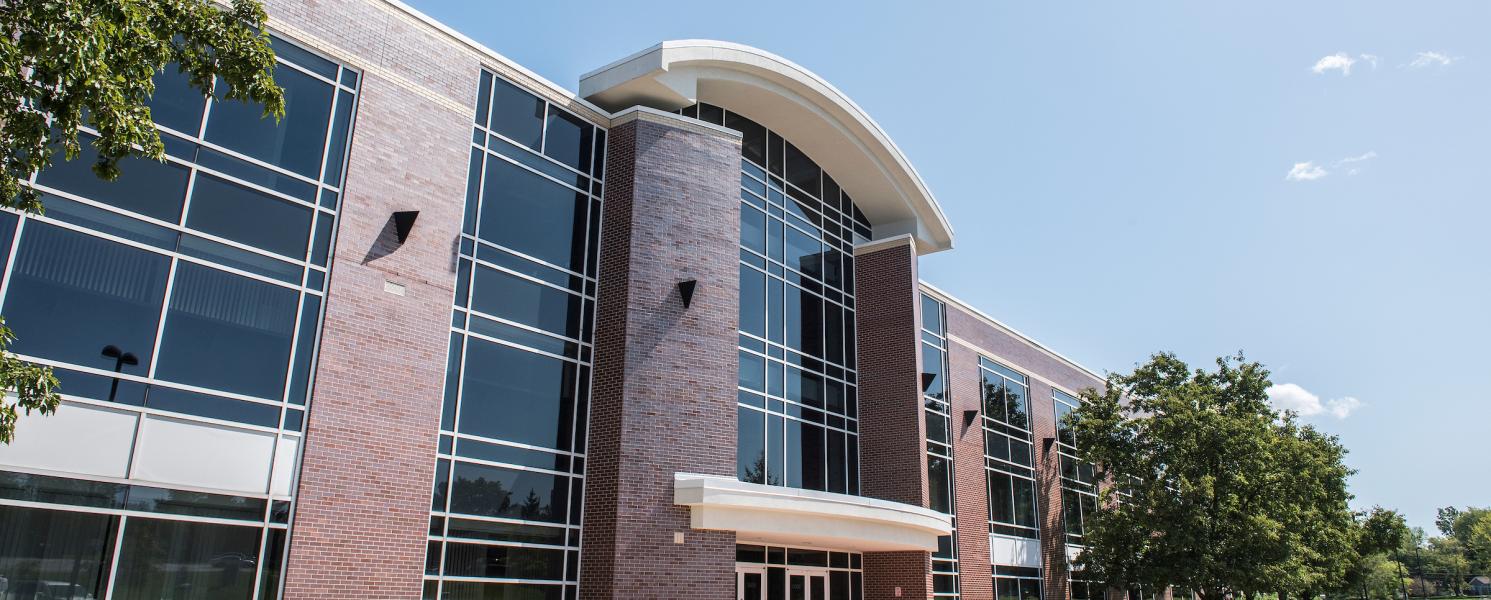
Building Emergency Plans
Know your plan.
Take a look at the building emergency plans for all campus structures.
Shelter-in-Place Procedures
Know what to do.
You may be required to shelter in place for these events:
- Tornado warning or other severe weather events
- Active shooter, building intruder, or civil disturbance
- Hazardous materials release
- Police direction for any other situation that requires you to find protection within a building
You must immediately seek shelter in the nearest facility or building (preferably in a room with no windows) when one of the following happens:
- You hear the all-hazards outdoor emergency-warning siren
- You are directed by police or fire department personnel
The university’s emergency warning-notification system will be used to notify the campus community of a shelter-in-place situation.
- Proceed to the basement of any building that has a basement or subwalk. Position yourself in the safest portion of the area away from glass. Be prepared to kneel facing a wall and cover your head.
- In high-rise buildings (four stories or more), vacate the top floor and move to a lower floor or to the basement. Position yourself in an interior corridor away from glass. Be prepared to kneel facing the wall and cover your head.
- If time permits, occupants of wood-frame or brick buildings with wood floors should leave the building and go directly to a more substantial concrete building, preferably with a basement.
- Any occupant who encounters a student or visitor should direct them to take appropriate actions.
- Any occupant who encounters a physically disabled individual should assist them if possible.
- Try and obtain additional clarifying information by all possible means (e.g., Purdue Fort Wayne website, TV, radio, email)
- Immediately go to a safe location in your building (normally the police department will be the notification method).
- If possible, take refuge in a room that can be locked.
- If possible, close and lock the room’s doors. If unable to lock the door, secure it by any means possible.
- The room should also provide limited visibility to anyone that is outside it.
- Hide under a desk, in a closet, or in the corner.
- After getting to a safe location and without jeopardizing your safety, try and obtain additional clarifying information by all possible means (e.g., Purdue Fort Wayne website, TV, radio, email).
- Report any suspicious activity if you can do so without jeopardizing your safety.
- Call 911 if possible.
- The accidental release of toxic chemicals means the air quality may be threatened, and sheltering in place keeps you inside an area offering more protection.
- Close all windows and doors.
- Move to the shelter-in-place location.
- Do not go outside or attempt to drive unless you are specifically instructed to evacuate.
- Do not use elevators as they may pump air into or out of the building.
- Any occupant who encounters a student or visitor should direct them to take appropriate actions.
- Any occupant who encounters a physically disabled individual should assist them if possible.
- Try and obtain additional clarifying information by all possible means (e.g., Purdue Fort Wayne website, TV, radio, email)
- If you are directed to shelter in place, but you are unaware of the specific reason, proceed to the lowest level of the building but continue to seek additional information by all possible means to determine the type of incident.
Follow the chart below if there are no building-specific procedures:
| Emergency | Emergency Assembly Area: Shelter in Place |
| Weather/Tornado Warning |
|
| Active Shooter / Civil Disturbance | Seek a safe location, preferably a room without windows and that can be locked or secured by barriers. |
| Hazardous Materials (HAZMAT) Release | Remain or find an unaffected office or work area and close windows and doors. |
Assisting the Disabled
How to help.
- Evacuate if possible.
- Do not use elevators, unless authorized to do so by emergency-services personnel.
- Check on people with additional needs during an evacuation.
- Use a buddy system, where people with disabilities arrange for volunteers (e.g., coworkers or neighbors) to alert them and assist them in an emergency.
- Only attempt an emergency evacuation if you have had emergency-assistance training or the person is in immediate danger and cannot wait for emergency-services personnel.
- Always ask someone with a disability how you can help before attempting any emergency evacuation assistance. Ask how they can best be assisted or moved, whether there are any special considerations or items that need to come with the person.
- Faculty and staff who have mobility impairments should let their department safety representative or designated trained individual know the location of their usual work area and additional needs.
- An individual who requires additional assistance may fill out the Voluntary Registry for Persons Requesting Additional Assistance Form.
- University Police will assist the individual in developing a personalized response plan for possible emergency incidents.
- Once all information has been entered on the form, it should be forwarded to the campus emergency preparedness specialist for inclusion in emergency planning.
- Building occupants should be invited to volunteer ahead of time to assist people with disabilities in an emergency. If a volunteer is not available, designate someone to assist who is willing to accept the responsibility.
- Two or more trained volunteers, if available, should conduct the evacuation.
- Always ask people with disabilities how you can help before attempting any emergency evacuation assistance. Ask how they can best be assisted or moved, and if there are any special considerations or items that need to come with them.
- Try to avoid evacuating people who use wheelchairs while they are still in their wheelchairs. This is standard practice to ensure the safety of people with disabilities and volunteers. Wheelchairs will be evacuated later if possible.
- Proper lifting techniques (e.g. bending the knees, keeping the back straight, holding the person close before lifting, and using leg muscles to lift) should be used to avoid injury to the rescuers’ backs.
- Certain lifts may need to be modified, depending on the disabilities of the people.
- Volunteers can obtain more emergency-evacuation information regarding lifting techniques from Environmental Health and Safety.
- Stay calm and take steps to protect yourself.
- If there is a working phone, call 911 and tell the dispatcher where you are or where you will be moving to.
- If you must move, we recommend doing the following:
- Move to an enclosed exit stairway, while taking care not to block the exiting of building personnel.
- Request persons exiting by way of the stairway to notify the fire department of your location.
- Await emergency responders.
- If you are in immediate danger, move to an area where you can shelter in place (recommended areas would be a room with an outside window or a room with a sprinkler system if available).
- You are also encouraged to carry a sounding device like a small whistle, flashlight, and cell phone to alert emergency personnel of your location.
- Having a plan and practicing it.
If an outage occurs during the day and people with disabilities choose to wait in the building for electricity to be restored, they can move near a window, if possible, where there is natural light and access to a working telephone. During regular business hours, department safety representatives should be notified so they can advise emergency personnel.
If people would like to leave and an evacuation has been ordered, or if the outage occurs at night, call 911 and request evacuation assistance.
Blindness or Visual Impairment
- Provide verbal instructions to advise of the safest route or direction using simple directions, estimated distances, and directional terms.
- Do not grasp a visually impaired person’s arm. Ask if they would like to hold onto your arm as you exit, especially if there is debris or a crowd.
- Give other verbal instructions or information (e.g. elevators cannot be used).
Deafness or Hearing Impairment
- Get the attention of a person with a hearing impairment by establishing eye contact. If the person’s back is toward you, tap them on the shoulder to get their attention. Clearly state the problem. Gestures and pointing are helpful, but be prepared to write a brief statement if the person does not seem to understand.
- Offer visual instructions to communicate the safest route or direction by pointing toward exits or evacuation maps.
Mobility Impairment
- It may be necessary to help clear the exit route of debris (if possible).
- If people with mobility impairments cannot exit, they should move to a safer area. Here are some examples:
- Most enclosed stairwells
- An office with the door shut that is a good distance from the hazard (and away from falling debris in case of earthquakes)
- Call 911 and notify police or fire personnel immediately about any people remaining in the building and their locations.
- Police or fire personnel will decide whether people are safe where they are and will evacuate them as necessary.
- The fire department may determine that it is safe to override the rule against using elevators.
- If people are in immediate danger and cannot be moved to a safer area to wait for assistance, it may be necessary to evacuate them using an evacuation chair or a carry technique.
- Evacuate if possible.
- Do not use elevators, unless authorized to do so by emergency-services personnel.
- Check on people with additional needs during an evacuation.
- Use a buddy system, where people with disabilities arrange for volunteers (e.g., coworkers or neighbors) to alert them and assist them in an emergency.
- Only attempt an emergency evacuation if you have had emergency-assistance training or the person is in immediate danger and cannot wait for emergency-services personnel.
- Always ask someone with a disability how you can help before attempting any emergency evacuation assistance. Ask how they can best be assisted or moved, whether there are any special considerations or items that need to come with the person.
- Stay calm and take steps to protect yourself.
- If there is a working phone, call 911 and tell the dispatcher where you are or where you will be moving to.
- If you must move, we recommend doing the following:
- Move to an enclosed exit stairway, while taking care not to block the exiting of building personnel.
- Request persons exiting by way of the stairway to notify the fire department of your location.
- Await emergency responders.
- If you are in immediate danger, move to an area where you can shelter in place (recommended areas would be a room with an outside window or a room with a sprinkler system if available).
- You are also encouraged to carry a sounding device like a small whistle, flashlight, and cell phone to alert emergency personnel of your location.
- Having a plan and practicing it.
- Faculty and staff who have mobility impairments should let their department safety representative or designated trained individual know the location of their usual work area and additional needs.
- An individual who requires additional assistance may fill out the Voluntary Registry for Persons Requesting Additional Assistance Form.
- University Police will assist the individual in developing a personalized response plan for possible emergency incidents.
- Once all information has been entered on the form, it should be forwarded to the campus emergency preparedness specialist for inclusion in emergency planning.
If an outage occurs during the day and people with disabilities choose to wait in the building for electricity to be restored, they can move near a window, if possible, where there is natural light and access to a working telephone. During regular business hours, department safety representatives should be notified so they can advise emergency personnel.
If people would like to leave and an evacuation has been ordered, or if the outage occurs at night, call 911 and request evacuation assistance.
- Building occupants should be invited to volunteer ahead of time to assist people with disabilities in an emergency. If a volunteer is not available, designate someone to assist who is willing to accept the responsibility.
- Two or more trained volunteers, if available, should conduct the evacuation.
- Always ask people with disabilities how you can help before attempting any emergency evacuation assistance. Ask how they can best be assisted or moved, and if there are any special considerations or items that need to come with them.
- Try to avoid evacuating people who use wheelchairs while they are still in their wheelchairs. This is standard practice to ensure the safety of people with disabilities and volunteers. Wheelchairs will be evacuated later if possible.
- Proper lifting techniques (e.g. bending the knees, keeping the back straight, holding the person close before lifting, and using leg muscles to lift) should be used to avoid injury to the rescuers’ backs.
- Certain lifts may need to be modified, depending on the disabilities of the people.
- Volunteers can obtain more emergency-evacuation information regarding lifting techniques from Environmental Health and Safety.
Blindness or Visual Impairment
- Provide verbal instructions to advise of the safest route or direction using simple directions, estimated distances, and directional terms.
- Do not grasp a visually impaired person’s arm. Ask if they would like to hold onto your arm as you exit, especially if there is debris or a crowd.
- Give other verbal instructions or information (e.g. elevators cannot be used).
Deafness or Hearing Impairment
- Get the attention of a person with a hearing impairment by establishing eye contact. If the person’s back is toward you, tap them on the shoulder to get their attention. Clearly state the problem. Gestures and pointing are helpful, but be prepared to write a brief statement if the person does not seem to understand.
- Offer visual instructions to communicate the safest route or direction by pointing toward exits or evacuation maps.
Mobility Impairment
- It may be necessary to help clear the exit route of debris (if possible).
- If people with mobility impairments cannot exit, they should move to a safer area. Here are some examples:
- Most enclosed stairwells
- An office with the door shut that is a good distance from the hazard (and away from falling debris in case of earthquakes)
- Call 911 and notify police or fire personnel immediately about any people remaining in the building and their locations.
- Police or fire personnel will decide whether people are safe where they are and will evacuate them as necessary.
- The fire department may determine that it is safe to override the rule against using elevators.
- If people are in immediate danger and cannot be moved to a safer area to wait for assistance, it may be necessary to evacuate them using an evacuation chair or a carry technique.