PFW takes learning to the zoo with new immersion class
By Blake Sebring
March 31, 2026
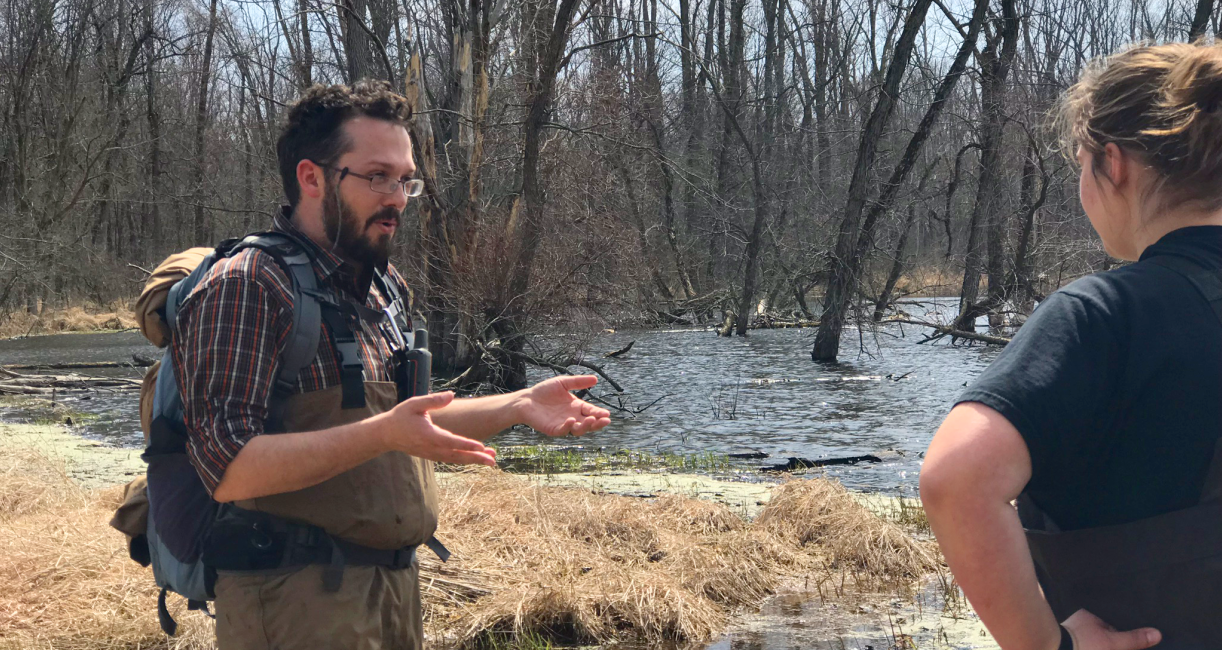
As an associate professor of biology at Purdue University Fort Wayne, Scott Bergeson seems to prefer teaching outside rather than inside the classroom. He excels in the field, whether leading a disturbance biology class at Fox Island or exploring deep into caves to study the behavior of bats.
Bergeson’s latest idea is slightly tamer, but still interesting. He’s collaborating this summer on a zoo immersion class with the Fort Wayne Zoo. The class will meet on site Mondays, Tuesdays, and Thursdays during PFW’s Summer 1 session beginning May 18 for six weeks from 10 a.m. to 12:20 p.m.
“The idea is that every day, students are going to meet a professional from a different field within the zoo who is going to tell them what they do,” Bergeson said. “To make a zoo, there are so many hats that need to be put on to make things function in so many different places.”
Before deciding to become a teacher, Bergeson considered pursuing a biology-centered career in a zoo, and now he’s wondering about his animal-focused students who don’t want to pursue veterinary school.
Bergeson and Mark Jordan, chair of the Department of Biological Sciences, met with Rick Schuiteman, zoo executive director, and Michelle Smurl, vice president of animal care and conservation education. The zoo officials immediately agreed they wanted to be part of the class.
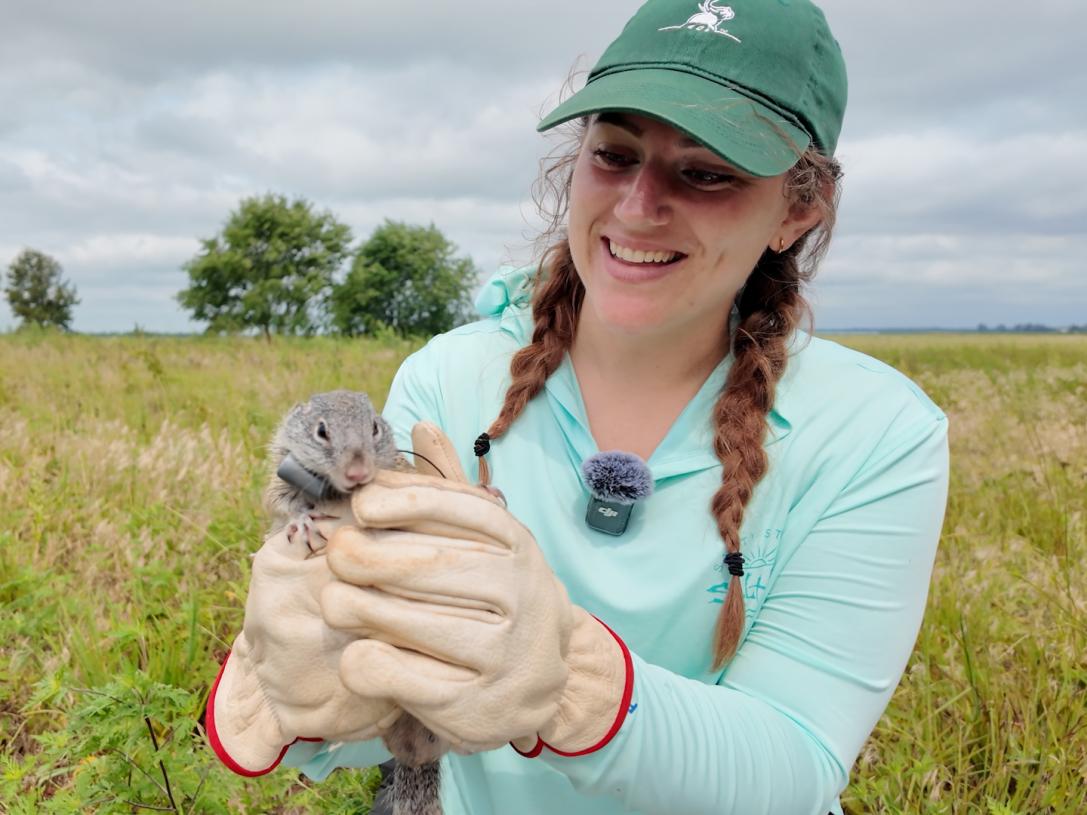
“Scott and I connected at a student’s presentation on ground squirrels here at the zoo,” Smurl said. “Our conversation organically went to collaborating to connect the zoo and students. My initial thoughts were, `Let’s do this!’”
Smurl said she’d had previous success connecting with universities at other zoos before moving to Fort Wayne. The overall plan is to offer students real-world, applied learning, field-tested knowledge, resume-building experience, and behind-the-scenes opportunities. The zoo also hopes to open the door for students to explore potential career paths.
Was it difficult to convince the zoo staff to pitch in as instructors?
“Organizing the speakers is easy,” Smurl said. “We have many talented staff members who are considered specialists in their field, and all are eager to share their knowledge.”
Who doesn’t love to talk about their passion, especially if it’s also their profession? Bergeson said there are all kinds of topics for the experts to share, and he knows his students will love them. He hopes the activities his students carry out in the course will be the ones they remember most about their academic journeys.
“If they are hearing from actual employees, actual career professionals, they have a better chance of picturing themselves in that particular spot,” Bergeson said. “It’s very much an active-learning thing where they’ll be focusing on field notebooks, and then we’ll be helping the zoo do major assessments and projects they may not have the time or personnel to handle. They are helping us, and we’ll be helping them.”
That could include building signage, monitoring animal behavior, research, or any other academic projects Smurl and her crew suggest.
“One of the reasons I wanted to do this is because I think it’s really important for the students,” Bergeson said, “and it’s also really important for the zoo to be able to train the next generation and potentially get some of them into their employ. I get to learn, too, and the students get to have fun as they learn.”
Bergeson also hopes that students from non-biology majors might be interested in joining the class.
Related Articles
Education, Engineering and Technology, Science
Girl Scouts STEM Expo sparks curiosity, confidence, and career dreams at PFW
Science
From volunteer to researcher: PFW graduate student helps restore rare Franklin’s ground squirrels
Science
Inside the Fort Wayne Zoo: PFW Students Gain Hands-On Experience
Arts and Humanities, Education, Science
CELT Teaching Award winners announced