Friendship is key to initial PFW Lunabotics squad
By Blake Sebring
April 1, 2026
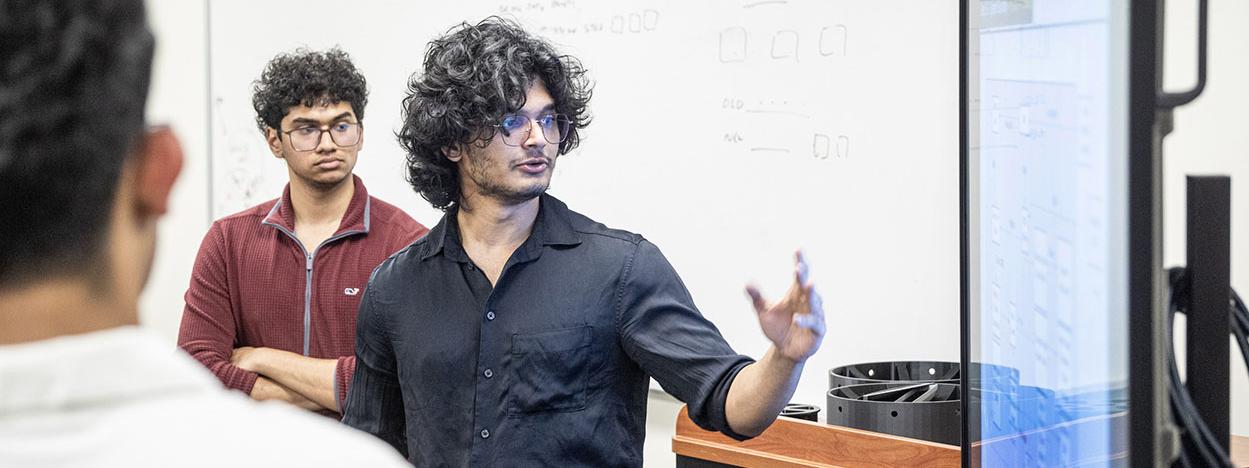
Saideep Kotasthane always has big dreams, sometimes too big for him to accomplish. That’s when he asks others to join in, and, thankfully, he has many quality friends.
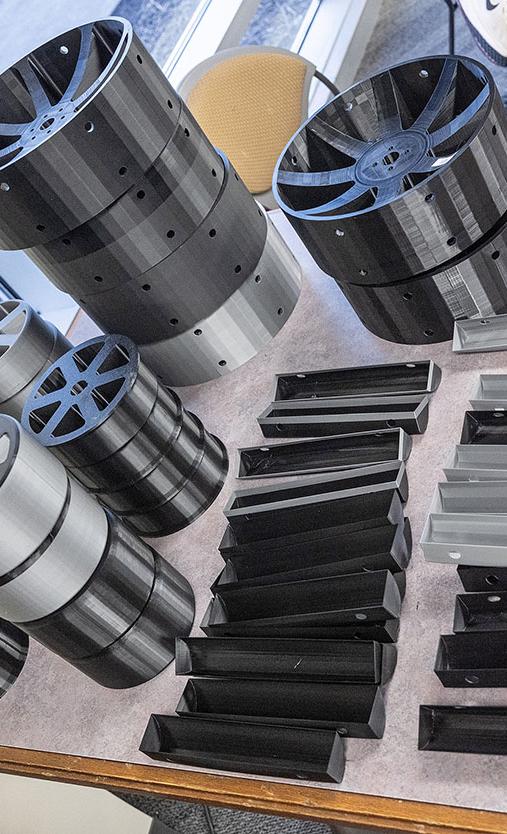
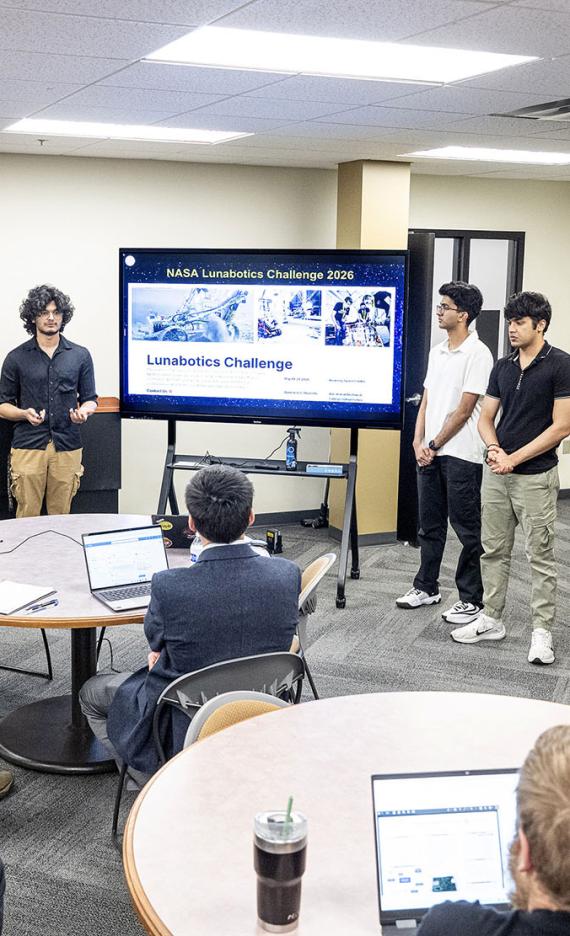
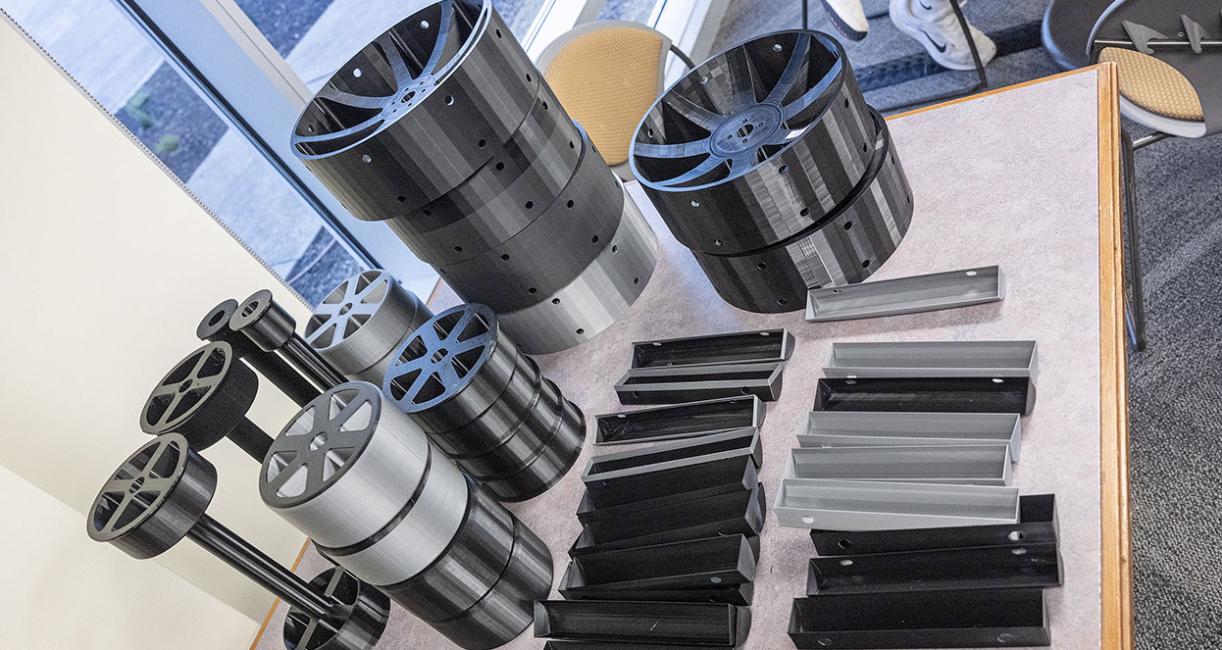
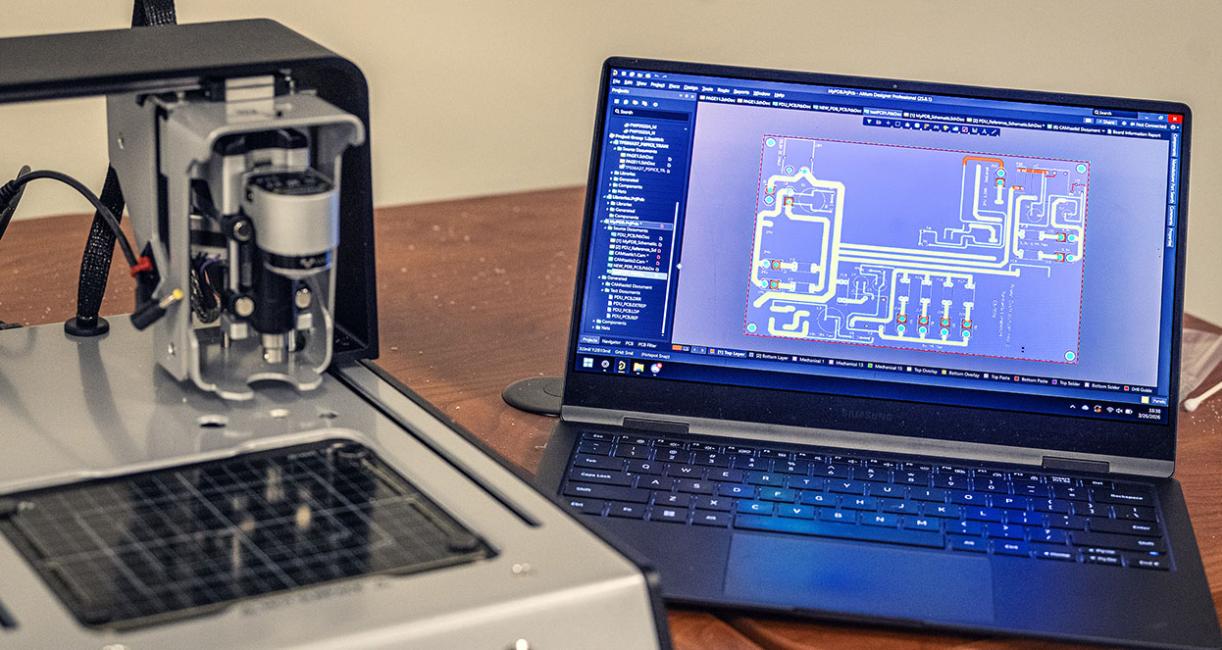
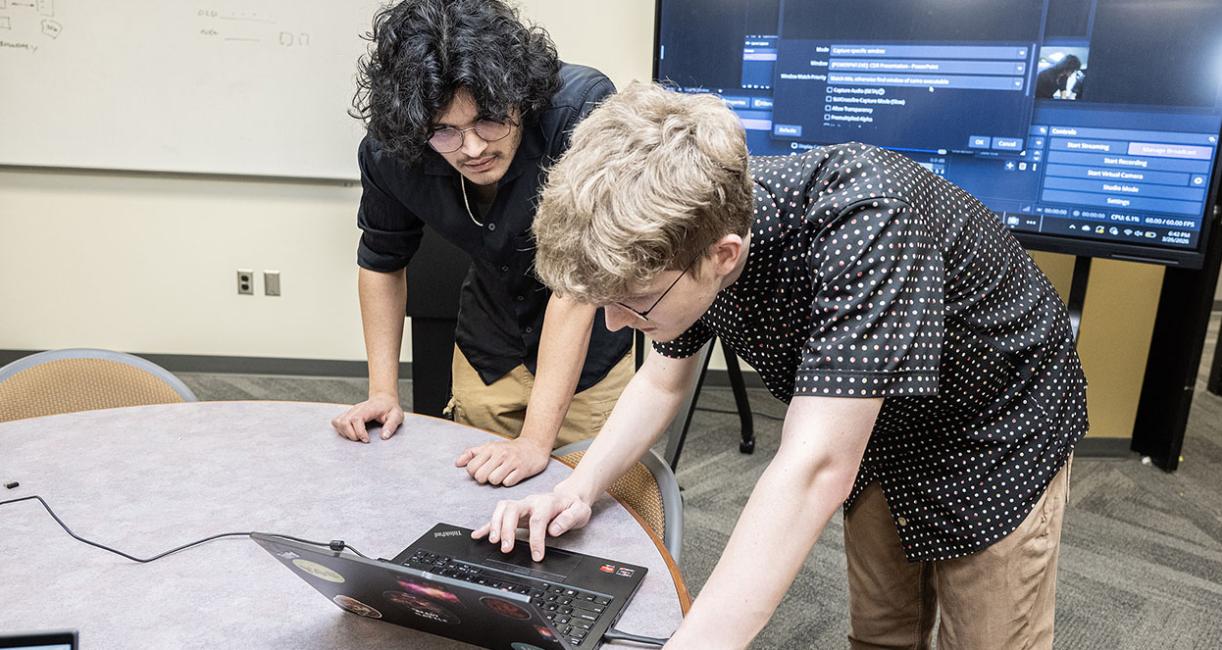
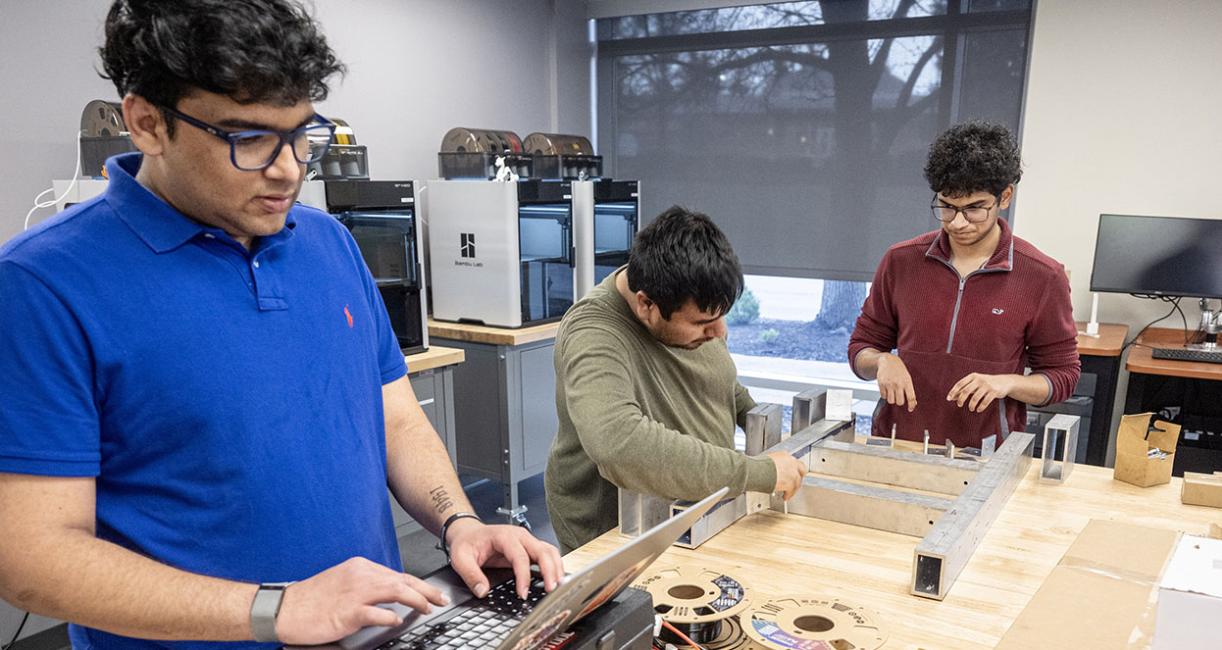
The Purdue University Fort Wayne senior is the leader for the school’s NASA Lunabotics Challenge for 2026, meaning they will design and build an autonomous rover capable of operating in a simulated lunar environment. According to the NASA description, the rover must function with minimal human intervention, relying on embedded systems, real-time sensor data, and autonomous control algorithms.
That’s a big dream, especially considering this is PFW’s first attempt to participate in the prestigious program, while all the other schools have participated since 2010. Still, the PFW rookies surprised themselves by being selected as a Top 50 team by NASA after submitting their first proposals.
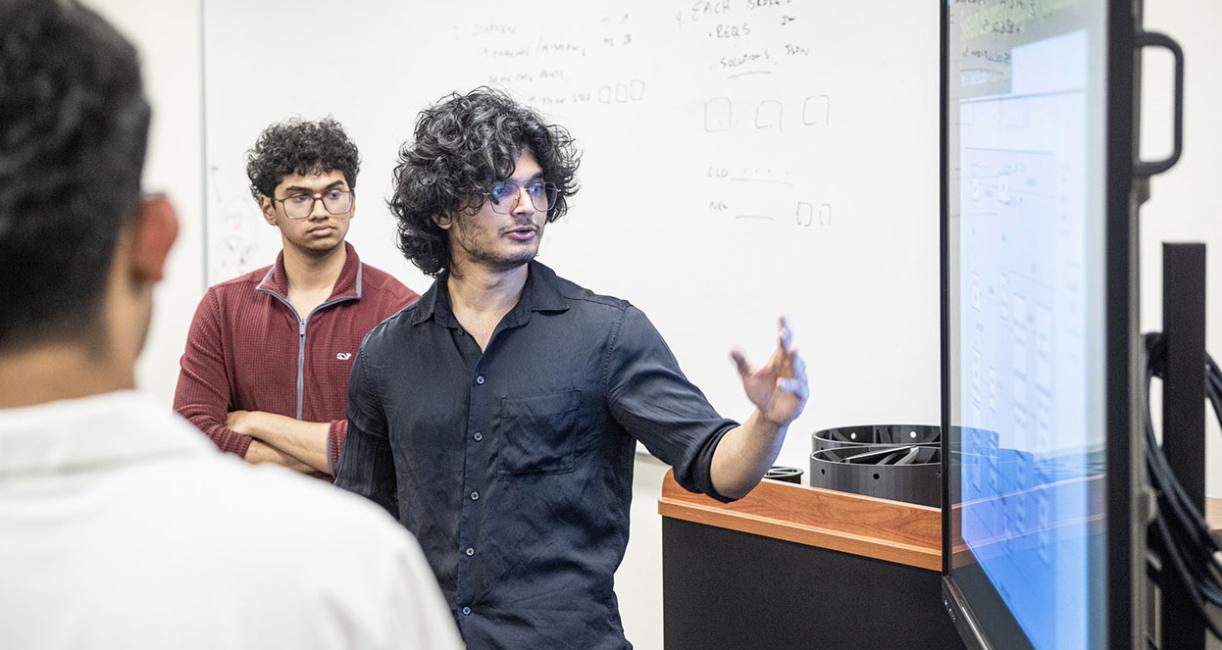
“I got to know about the project around the first week of September because I was on NASA’s newsletter mailing list,” said Kotasthane, an electrical and computer engineering major. “Then I asked my friends if they’d like to be part of this. We just wanted to do something interdisciplinary, and this seemed like the best challenge.”
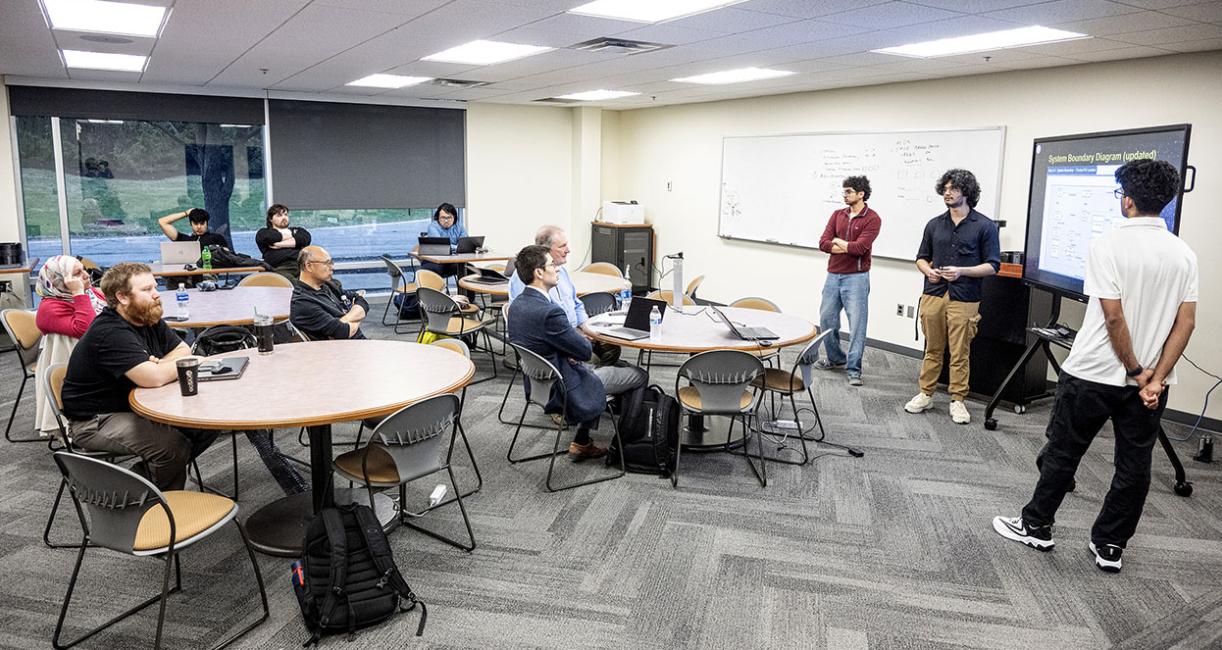
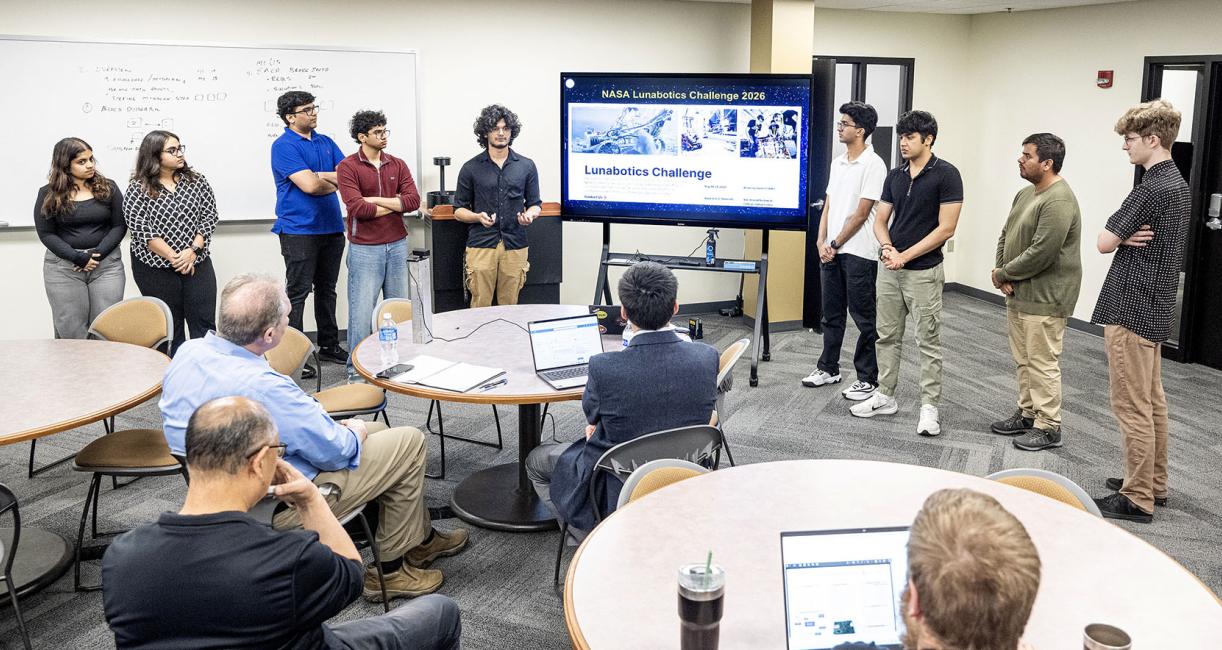
Kotasthane’s team includes 12 division leads and nearly 50 students representing nine countries and most of PFW’s academic colleges. They are also working with eight faculty members, most of whom contacted the students directly after hearing about the project. Yanfei Liu, associate professor of the Department of Electrical and Computer Engineering, serves as faculty advisor.
“The faculty and staff of the College of Engineering, Technology, and Computer Science are immensely proud of our Lunabotics team,” said Sherif Elfayoumy, the Steel Dynamics Dean of PFW’s College of ETCS. “The energy and thoughtfulness our students have shown are remarkable. I have personally attended several team meetings, and it’s worth noting that several of our partner companies have supported the team financially and by sending their engineers to attend.”
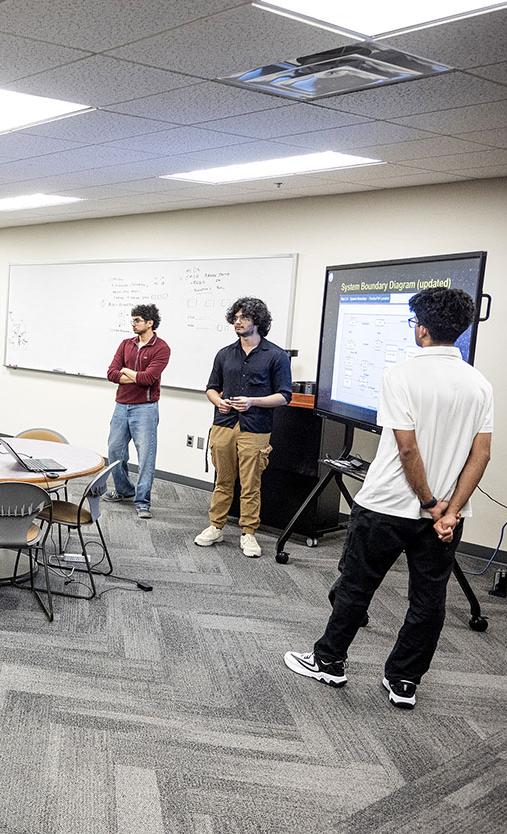
The first call-out meeting required a larger room than planned. The teams are divided into three groups: engineering, electrical, and computer science, with multiple sub-groups. After earning the Top 50 designation in November, the group began the system design phase, a formal technical evaluation by a faculty committee to verify the team’s proposed robot is a complete, feasible, and requirements-compliant system.
“I was impressed by the students’ initial design and their thoughtful questions to the attendees regarding design options,” Elfayoumy said. “I look forward to the upcoming review sessions.”
Following the approval on Dec. 7, the students advanced toward prototyping and design testing. The next deadline was to provide NASA with a “proof of life” video in March, before the April 30 final submission deadline.
The in-person qualifying event will be held May 12–17 at the University of Central Florida in Orlando. That means some of the underclassmen team leads will drive the robot to Florida while others are participating in PFW’s Commencement on May 14. If his team project advances that far, Kotasthane plans to fly to Florida as quickly as possible after receiving his diploma.
Only the top 10 teams will bring their robots to the May 19–21 final competition at the Kennedy Space Center in Merritt Island, Fla.
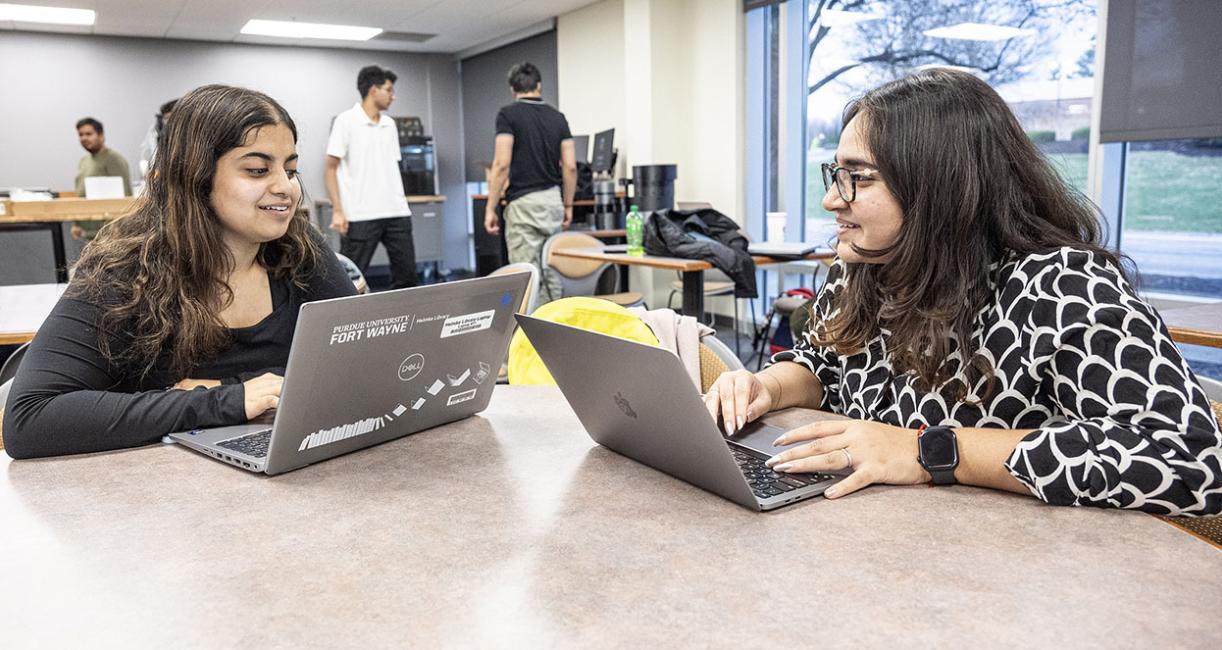
“One thing which surprised me was how quickly we were able to adapt to this environment, because this is a new team and we were all participating in the competition for the first time,” said junior Tia RaoRane, team media manager. “All of us are learning through the process because it’s all new to us. We are all learning something.”
No matter the final results, everyone gained from the process.
“Personally, I’m not that experienced with leadership roles, so this gave me exposure on that side of the project, and I got to develop myself in that aspect,” said Nishad Parulekar, the mechanical design lead and a junior majoring in mechanical engineering. “Whatever I have learned in classes, I got to apply it in real life, such as how it applies in the industry and how I would go about designing a robot.”
Team leaders hope the collaborative initial experience inspires underclassmen to continue in the NASA program.
“We don’t want this to be a one-year thing,” said Akshat Verma, a senior majoring in computer and electrical engineering, the firmware division lead. “We want to think about the future, too. Because most of us are seniors, we want to make sure the new members of the team get experience, and then they can continue this.”
PFW’s NASA Lunabotics Challenge squad:
Team lead: Saideep Kotasthane
Drivetrain lead: Swagath Srinivasan
Mechanical design lead: Nishad Parulekar
Telemetry and Control lead: Arnav Madavaram
AI & Perception lead: Amit Jadhav
Navigation lead: Shaurya Beriwala
Documentation and Validation lead: Shruti Srivathsan
Testing lead: Prem Krishna Lavu
Firmware lead: Akshat Verma
Electrical design lead: Vance Vojslavek
Integration lead: Chase Huff
Media lead: Tia RaoRane
Faculty advisor: Yanfei Liu





Related Articles
Mastodon Life
Purdue Fort Wayne launches official TikTok presence
Engineering and Technology
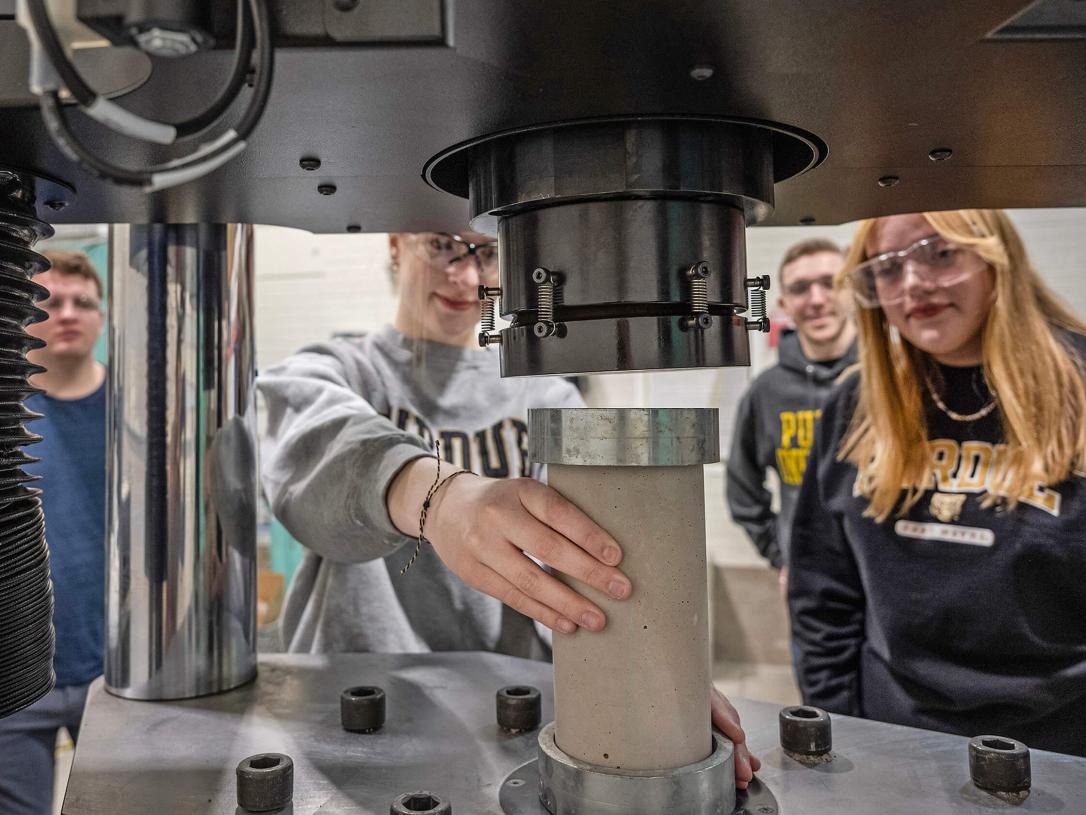
Purdue Fort Wayne engineering programs tie for No. 44 in national ranking
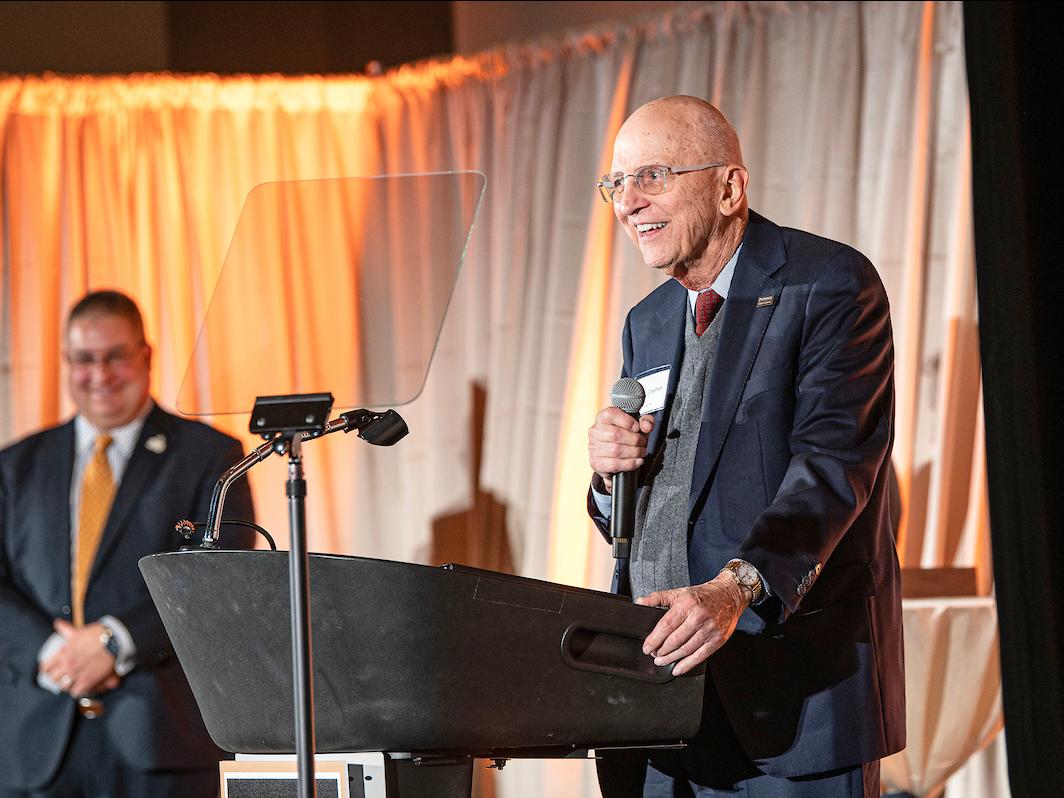
Chapman Charitable Trust’s $8 million gift builds lasting legacy for PFW students and northeast Indiana
Administration, Business and Innovation
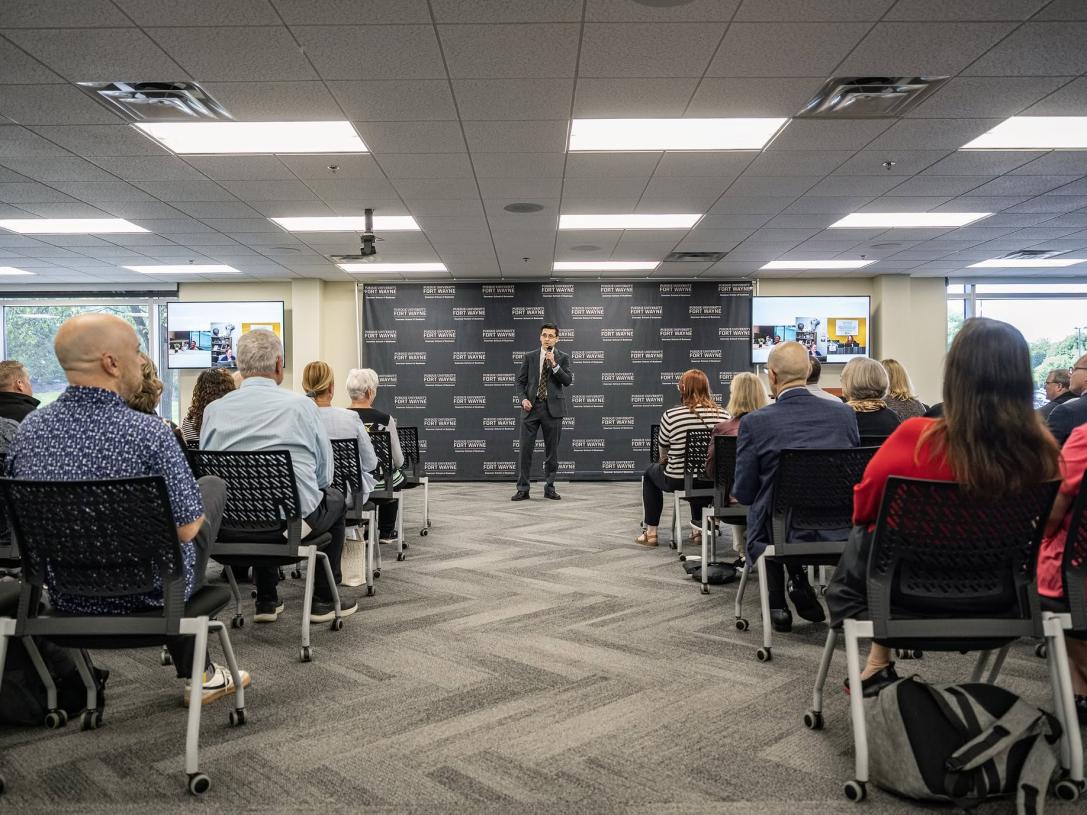
Purdue Fort Wayne opens newly renovated Doermer School of Business Building